
 en
en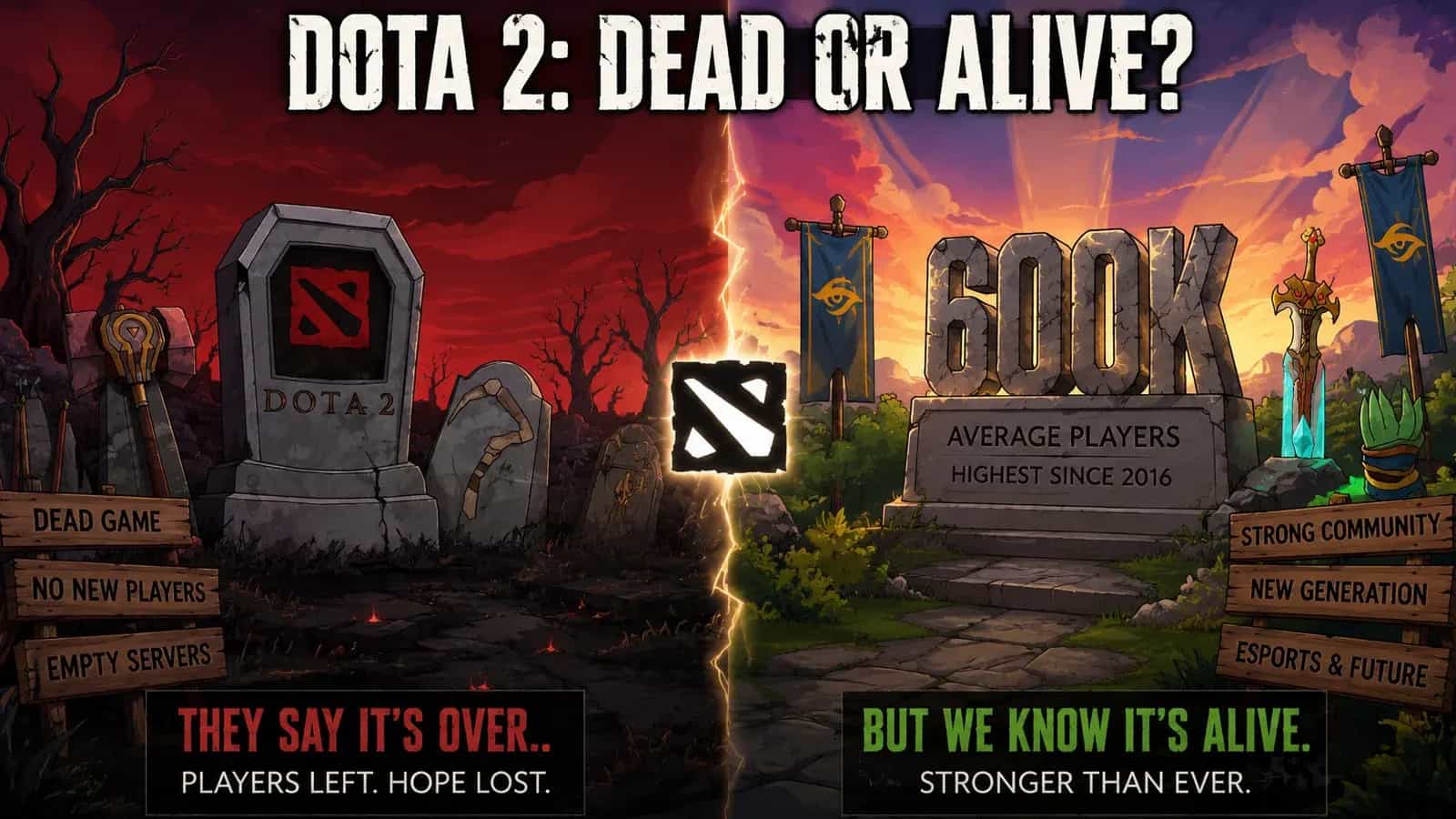
Parker Talked About His Salary on Heroic: Part of the Sustainability Problem

David "Parker" Nicho Flores talked about his salary when he played for Heroic and uncovered part of the mystery surrounding the cost of maintaining a competitive team in the Dota 2 professional circuit.
Heroic left professional Dota 2 a week ago, and one of the reasons cited for the decision was that it was not financially viable in the long run. This problem has been a longstanding discussion among Dota 2 fans and organizations.

His Salary Was Around $15,000 Per Month
According to hawk.live, Parker talked about his salary on a stream with ElMacarius. He earned fifteen thousand dollars per month while playing for Heroic and also gave an estimate of other players' salaries.
According to David, other team members earned between $9,000 and $12,000 per month, but younger players, such as Santiago "Tailung" Agüero, received a bit less, ranging from $5,000 to $8,000.
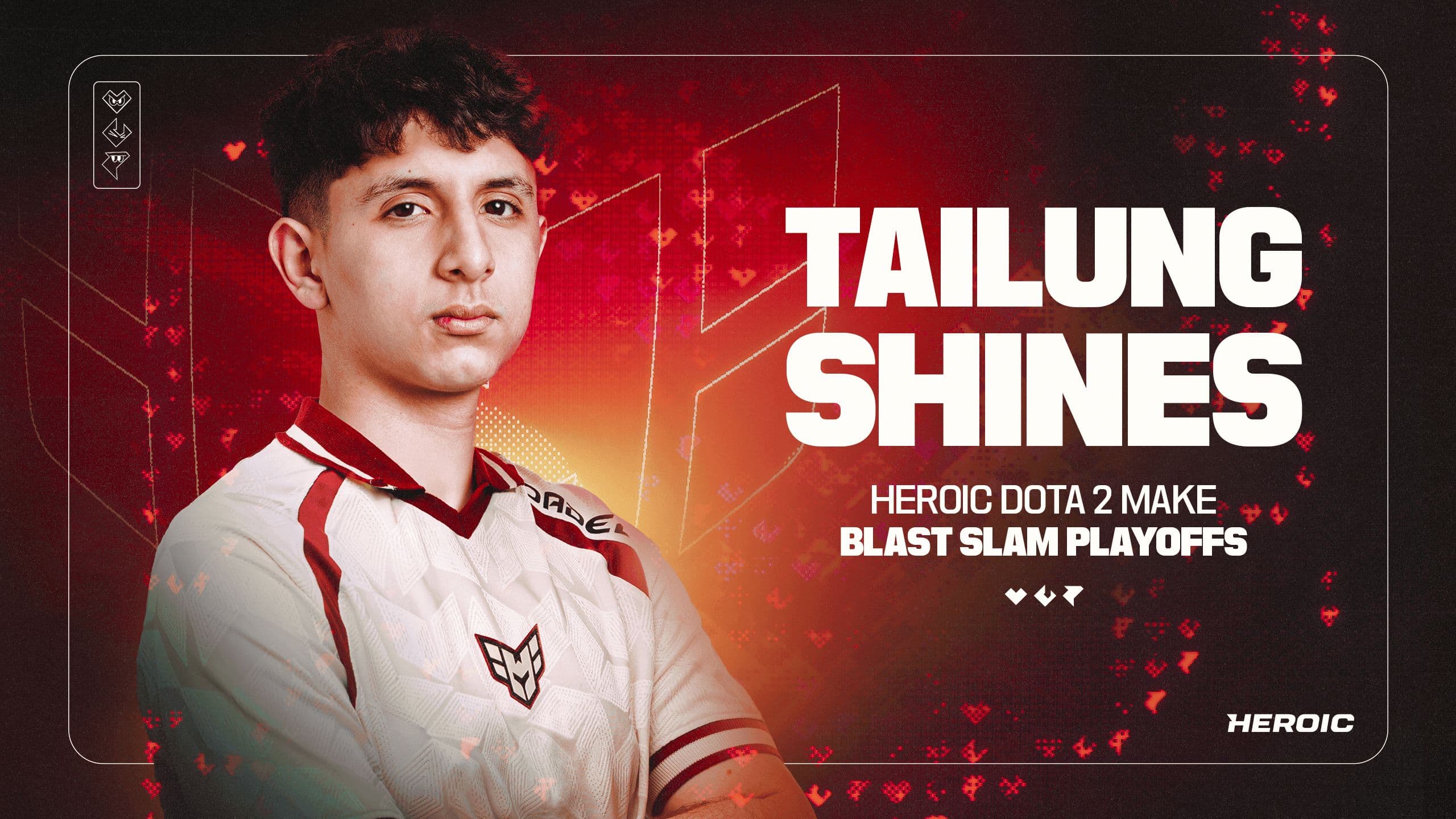
Finally, Parker mentioned that Heroic's minimum monthly expenses for maintaining the roster were around $50,000, and while organizing a bootcamp, that cost could fluctuate between $15,000 and $20,000.
Hard to Make the Ends Meet
If we consider Parker's fifty-thousand-dollar monthly estimate, even after their biggest accomplishment, winning PGL Wallachia Season 2, Heroic got, at best, six months of expenses as borrowed time.
Their Top 6 finish at The International 2025 only awarded Heroic around $144,000. Even if we add up all their other prizes in 2025, the roster cost Heroic about $450,000 up until September and earned a total of $344,000 in the same interval.
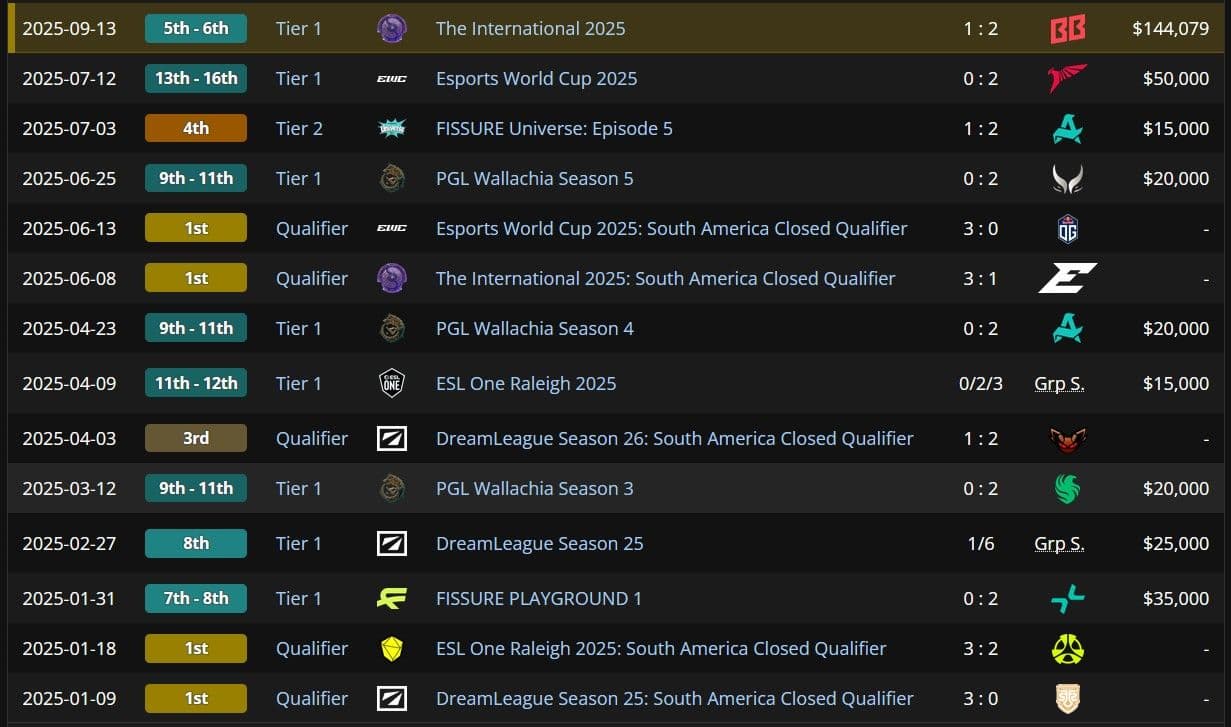
This confirms our former suspicion that Dota 2 is not sustainable for smaller organizations. A big part of this problem is the demise of The International. The Battle Pass was indeed predatory, but fan interest was also funding teams and helping ends meet.
In 2026, TI is going back to China, so let's remember better days, such as when TI went to Shanghai in 2019. If Heroic had placed Top 6 in 2019, they would have made $1,201,552. This would mean TWO YEARS at a base cost of $50,000 per month.
Bring the Battle Pass Back But Make It Fair
Ever since Valve ended the Battle Pass, countless players have asked for it to be brought back. The International was the tournament, and more importantly, the prize pool that made teams sustainable.
All Valve needed to do was put everything that was hidden behind paywalls into the upgraded version of the Battle Pass. Instead of adding Arcanas and Personas at level 300, spreading them over all levels before level 100 would solve a lot of problems.
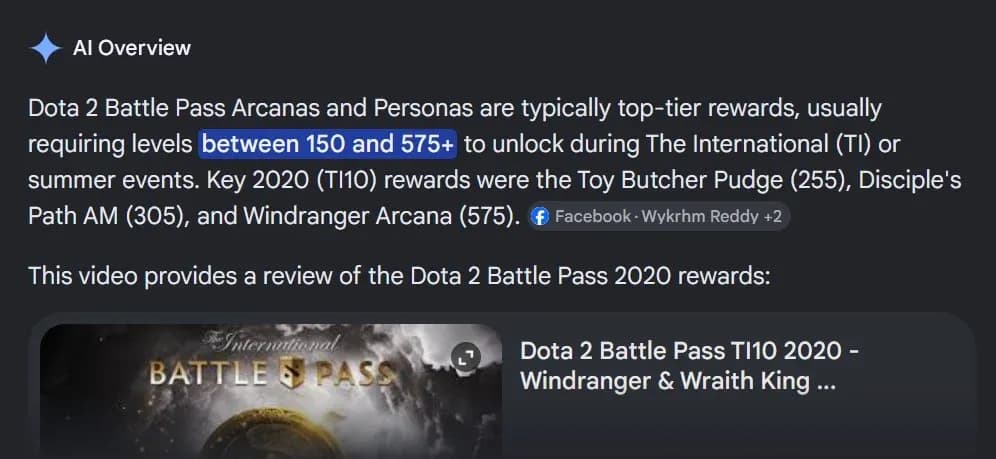
This would boost sales for upgraded passes. Fans would be happy to get time-exclusive cosmetics by paying for them if they wanted, and it would be an achievable goal if players were given enough time to buy a standard pass and grind.
Time For the Community to Push Back
Valve promised that the development time dedicated to the Battle Pass would go into more frequent events, but all Dota 2 players got was Crownfall, followed by minimal effort on Quartero's Curios.
If Valve really wants Dota 2 to keep moving forward as a sustainable esport, they should walk back their decision about the Battle Pass and, at least partially, about untradable and unmarketable items.
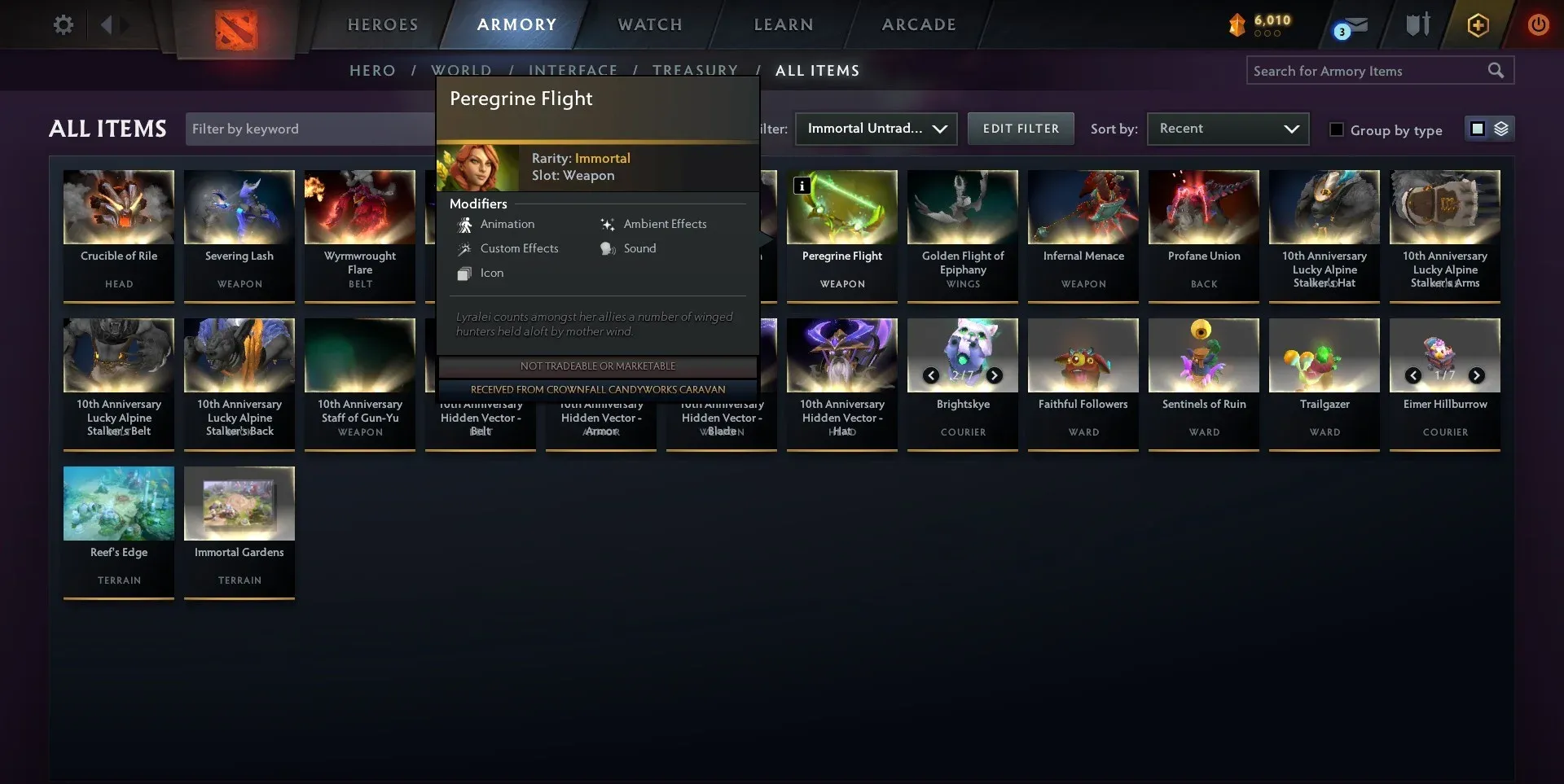
I am not going to claim to know what is best for a billion-dollar company to do, but in my experience, the reason battle passes were a hit in Dota 2 is because, during the Kiev Major, you had tradeable items that you could sell and use to fund part of the next compendium.
Every mechanic Valve introduced after the first successful iteration of the compendium made it less appealing for players: trade and market bans or year-long cooldowns, timed exclusives at high levels, and treasures with randomized rewards instead of defined items.
Concerning Rumors
On top of the reality of a lack of sustainability for teams, there have been emerging rumors about Dota 2 not being viable for tournament organizations either.
According to escorenews, PARI Esports Marketing Director Ivan Burachenko released a post on his Telegram talking about how, after The International 2026, a few more well-known teams are likely to freeze their projects.
Competitive Dota will soon face some major changes. These changes will call into question the game's existence as an esport. Today, Heroic announced its exit. The reasons are clear: Dota as a discipline isn't profitable in the current ecosystem. Within a month (or two at the most), another major organization will follow suit.After The International 2026, a few more well-known teams are likely to freeze their projects. Even bookmakers [that own teams] already have a hard time looking at the Dota 2 salaries. The range of $15k-$25k for players who make it to a few tier-1 tournaments per season, it's unrealistic. These sweet times are likely coming to an end. — Ivan Burachenko
Burachenko also received a response from another big name in the comments. Sergey "f1y1eaf" Glamazda, former PARI top manager and ex-CEO of Virtus.pro, mentioned that BLAST could be reconsidering its Dota 2 circuit.
Glamazda: I'm betting that another 3-4 organizations will leave by the end of the year. BLAST will also be discussing possible closure of Dota in 2027.Burachenko: I thought [BLAST] would still hold events in 2027, as per contracts.
Glamazda: I think it's a negotiable question. The economic situation there is weak.
If these rumors prove to be true, Valve should move fast and announce changes that make Dota 2 sustainable again if they intend to keep it as an esport for the foreseeable future.
Closing Thoughts
People have been tooting the "Dota 2 is dead" horn for a while now, but all of this information coming together does not paint a particularly optimistic future for Dota 2 if Valve does not intervene.
For now, what we can do is make sure that they understand that the Dota 2 community loves the game and wants the Battle Pass back to how it was, not because we don't mind paying for items, but because teams need it.
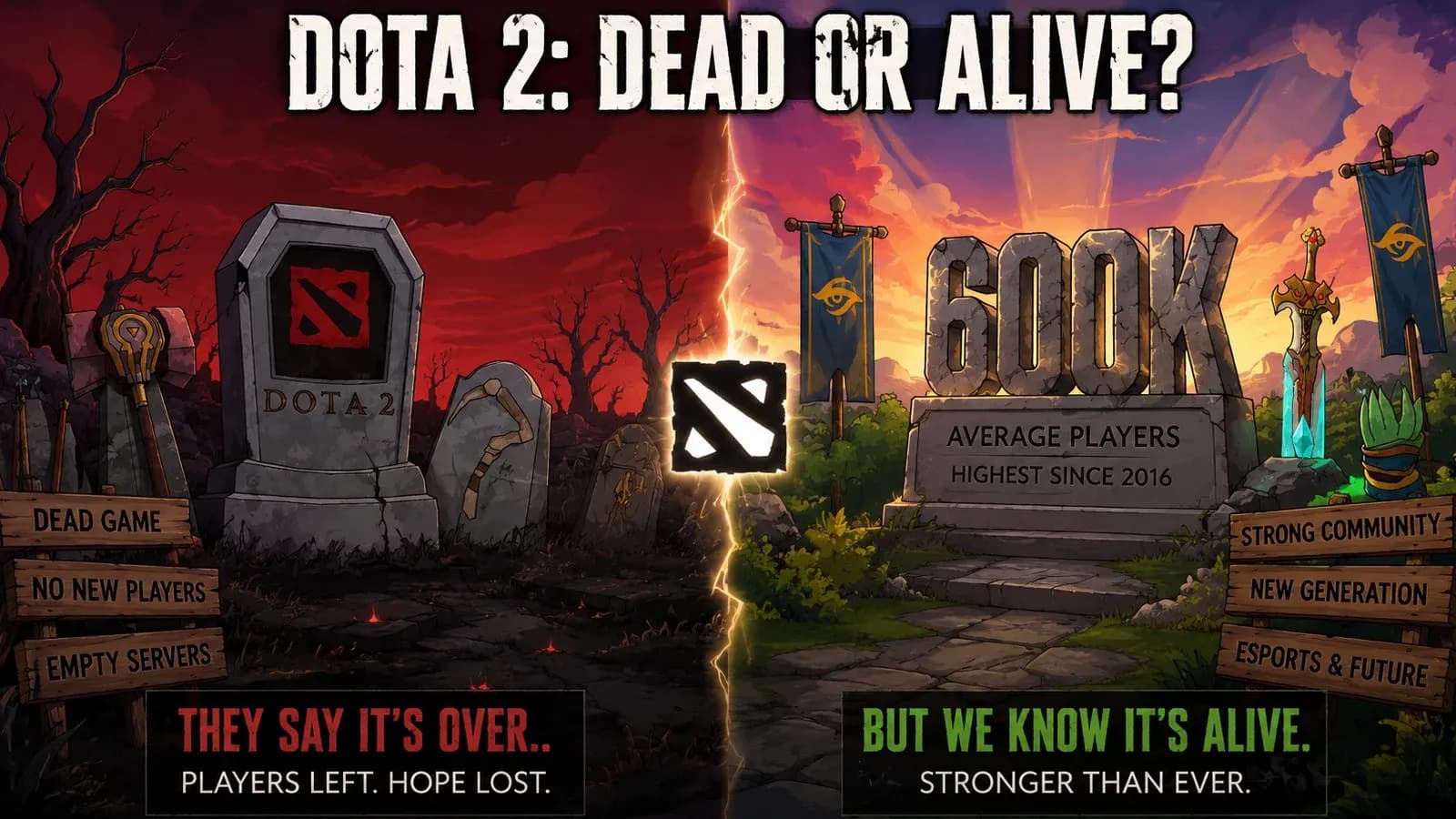
Maybe tournament organizations and teams should come together to decide on a higher base prize for tournaments and find a way to make Dota 2 sustainable without The International.
Either that, or we are all at Valve's mercy as to whether Dota 2 will change fast enough to survive or fall as an esport to give way to Deadlock. In an ideal world, we would have both thriving, but the reality is that, from the outside, it looks like all the dev time saved by removing the Battle Pass is going into Deadlock.
![Esports to Exit Asian Games After 2026, New Dedicated Event Confirmed for 2027 [UPDATED]](https://strafe-uploads-prod.s3.us-east-1.amazonaws.com/TEAM_KOREA_318e4cb137.jpg)