
 en
en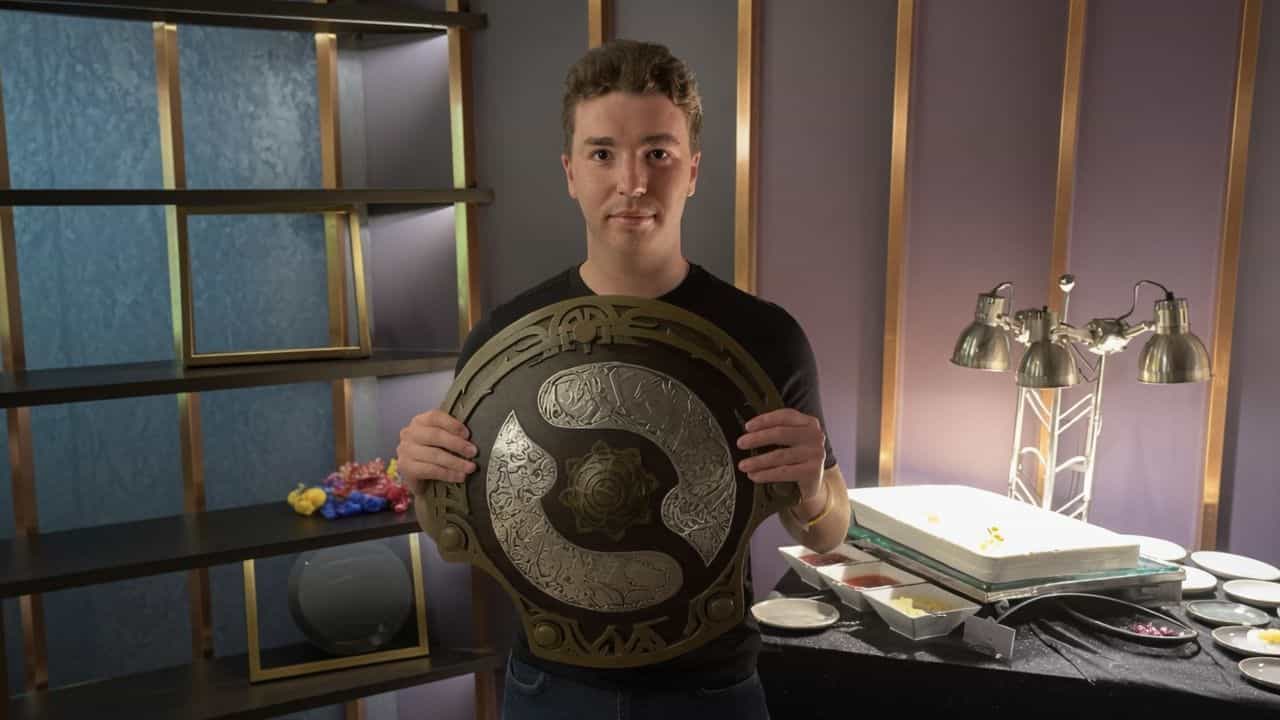
Tundra Esports Founder: “Maintaining a top-tier Dota 2 roster has become increasingly expensive."

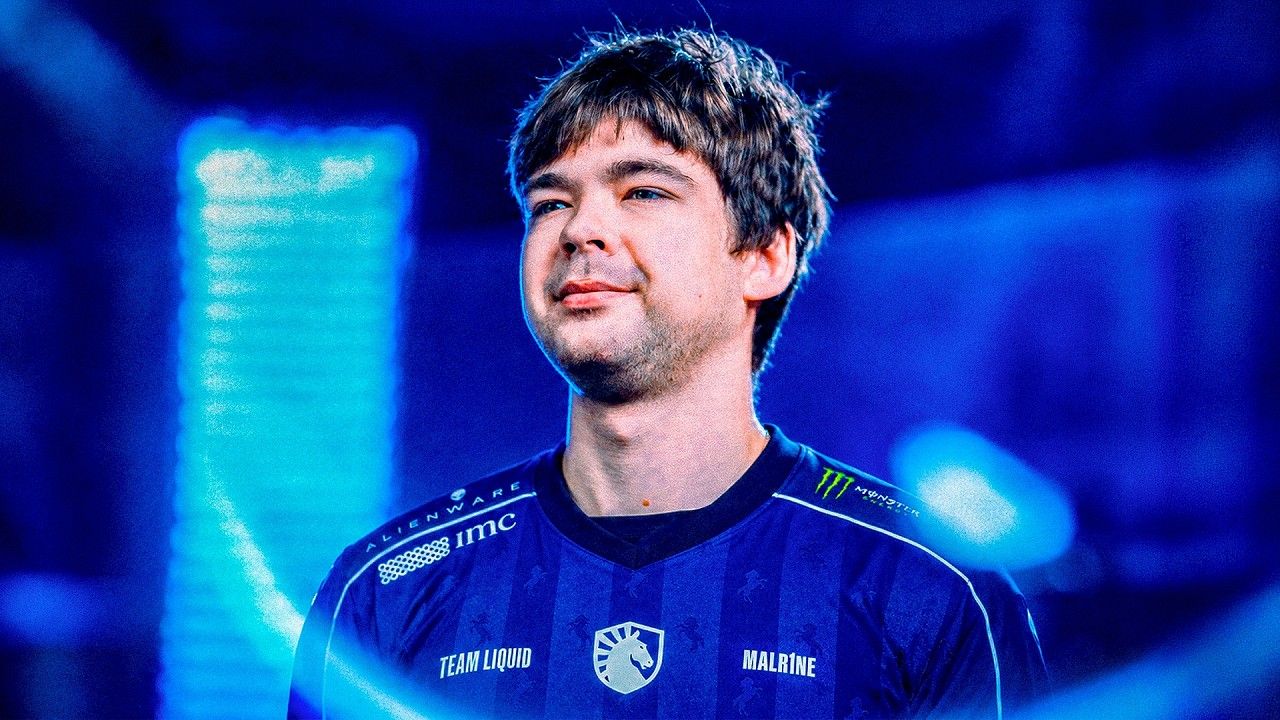
Tundra Esports founder Maxim Demin spoke to Esports Insider in an interview and shed some light on the reasoning behind selling his organization's former top-tier Dota 2 roster to 1Win Team.
According to Demin, stricter regulations on betting sponsors, the recurring costs of maintaining a Dota 2 roster, and the opportunity to sell a successful roster while it was still close to its prime were the main factors behind his decision.
Dota 2 Economics: Hard Times For Most Teams
According to the interview, the main reason that led Tundra Esports to leave Dota 2 is that, just as Heroic mentioned when they exited the scene, the economic outlook is currently not favorable.
The combination of the Dota Pro Circuit shutting down, stricter rules surrounding betting sponsors, and inflated player salaries has not done the professional Dota 2 ecosystem any favors.
On the other hand, Maxim also mentioned that the current circuit structure, supported by third-party organizers such as BLAST, PGL, and ESL hosting multiple tournaments per year, appears to be a positive move from a business perspective.
“Today, I think the ecosystem is more efficient, with more frequent tournaments and strong prize pools throughout the year. From a business perspective, that creates more opportunities for teams and sponsors.”
Despite this apparent abundance of opportunities, the inflated costs of maintaining a roster quickly eat into winnings, especially considering organizations still need to fund bootcamps while typically retaining only 10 to 20% of the prize pool from tournaments.
At the same time player salaries range from $15,000 to $25,000 for pros participating in tier-one tournaments and apparently they have little to no expenses spared when it comes to bootcamping as part of a team.
This means that one of the most straightforward, and likely most difficult, ways to reduce pressure on organizations would be for player salaries to gradually move toward a more sustainable level.
Valve Didn't Help Much
Another important takeaway from the interview is that several factors coincided at the worst possible moment:
- The International Battle Pass was removed and, by extension, Dota's astronomical TI prize pools collapsed alongside it.
- Betting sponsors remain among the few entities with both the resources and incentives to support Dota 2 teams, but their visibility has become more restricted at major events like The International 2026.
- Valve did not introduce an alternative to offset the major financial impact caused by the reduction of TI's prize pool on team sustainability.
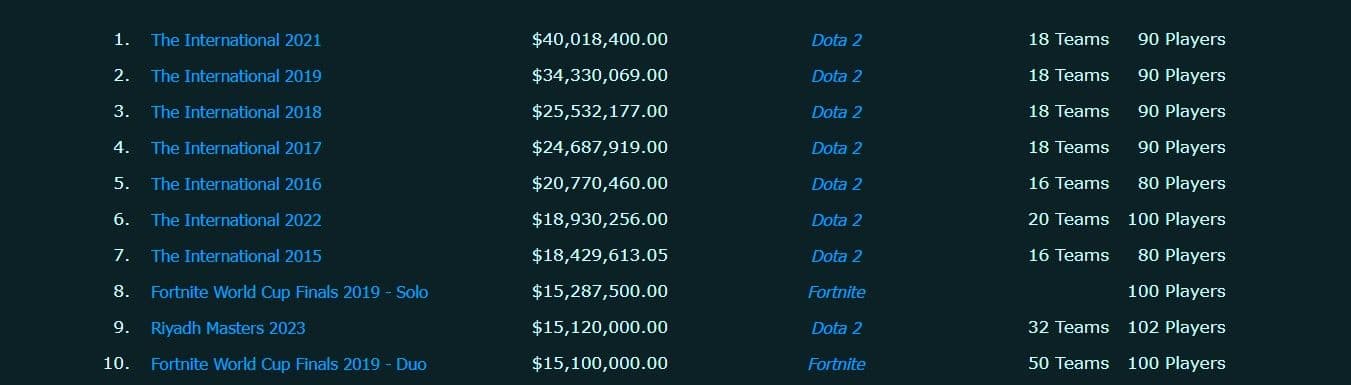
From an outside perspective, and without insight into the internal workings of Dota 2, the Battle Pass seemed to have the right concept but incentives that eventually became difficult to sustain.
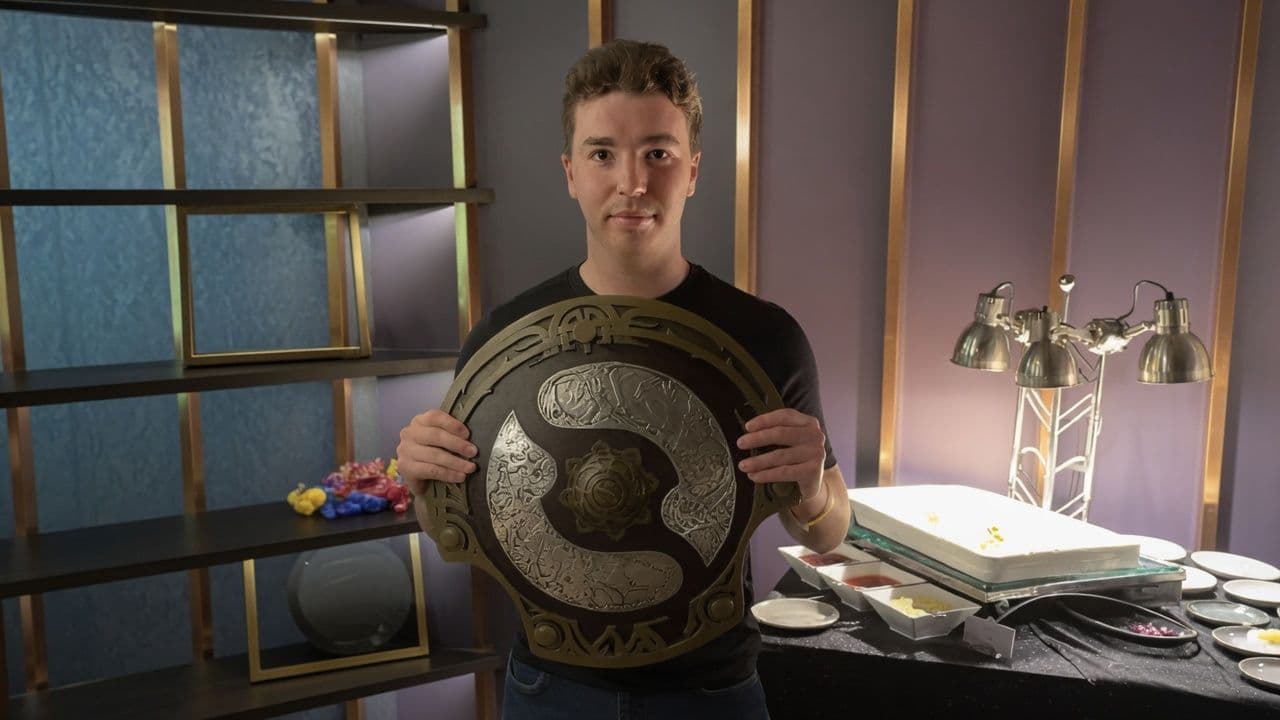
Even after "taking a dagger to the heart," TI Battle Pass editions still account for seven of the ten biggest esports prize pools ever.
Maxim even admitted that the US$20 million+ prize pools at The International were among the factors that initially attracted him to the scene.
This concept could still work today; but in a format more focused on rewarding fans rather than heavily monetizing them.
Closing Thoughts
The future of professional Dota 2 remains uncertain and the scene appears to be going through a difficult period. The community will likely continue supporting the game regardless of its future as an esport, but discussions around sustainability and long-term incentives are becoming increasingly common.
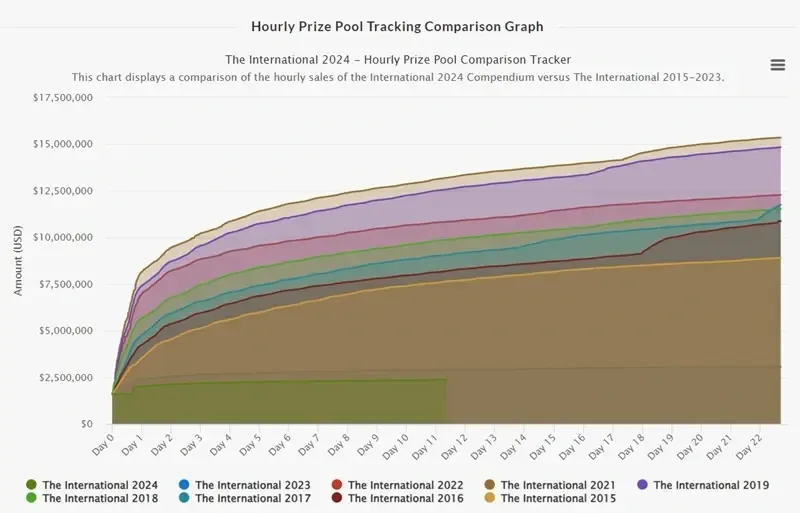
A return of the Battle Pass (potentially redesigned for fan expectations) could become part of that conversation, serving not only as a way to strengthen the ecosystem around The International but also as an opportunity to create a model that better balances rewards for fans, players, teams, and Valve.
And of course, while bringing back plenty of hats and perhaps the blessing of Lord GabeN.
READ MORE: Dark Carnival: The Long Wait Is Over
Featured Image Source: Twitter (@TundraEsports)