
 en
en
Navigating the Evolution of Mental Health in Esports
Andre Guaraldo
Andre Guaraldo
15 Dec, 2023, 17:25
|Last updated: 10 Apr, 2025, 16:00
The world of esports, captivating millions worldwide, extends beyond flashy plays and thrilling competitions, delving into the often-overlooked challenges of maintaining positive mental health. In a society where 1 in 4 people in the UK faces mental health issues annually, for example, the esports community is gradually overcoming the stigma surrounding these concerns. This article aims to explore the evolving historical landscape of esports mental health, shedding light on initiatives, individual stories, and industry-wide efforts to prioritize player well-being.
Opening Conversations about Esports Mental Health
Overcoming the stigma associated with mental health discussions has been a significant historical hurdle in the esports industry. Initiatives led by organizations like Safe in our World, combined with the increased openness of esports professionals on social media over time, are fostering much-needed conversations. This historical transparency provides valuable insights into the mental well-being of those involved in esports, encouraging a supportive community that has evolved over the years.

Player Pressures
The competitive nature of esports has historically introduced unique pressures on professional players, extending beyond the game itself. Instances like Fnatic’s Gabriël ‘Bwipo’ Rau stepping back from social media due to online criticism highlight the historical toll of negativity. Misfits Gaming Group's historical proactive approach to prioritize mental well-being acknowledges the essential role it plays in a player's performance, dispelling the historical misconception that esports is stress-free.
Benefits of Esports
While the competitive side of esports has historically posed challenges, it is crucial to acknowledge its positive impact on mental health. Esports has historically provided a unique avenue for well-being development, offering a space for relaxation and problem release. Despite increasing historical discussions around these benefits, a more concerted effort is needed to promote positive mental health within the industry.

Esports Mental Health Organizational Initiatives
Esports organizations have historically recognized the necessity of prioritizing mental health. Many top tier organizations, like Misfits, G2, MiBR and many others, led the way with a comprehensive approach to well-being. This shift towards individualized plans for players and staff signifies a crucial change in the industry's approach to holistic player management over time.

Insights from Scientific Researches
Examining wellness initiatives within esports historically reveals a fragmented landscape. Research advocating for integrated, in-platform solutions and minimum standards across organizations signals the need for a collective historical commitment to player well-being. The shift from fragmented historical initiatives to a unified approach is crucial for the industry's historical evolution.
Navigating the Fragile Balance of Mental Health in Esports
Understanding the delicate balance between professional gaming and mental well-being is essential, especially when viewed from a historical perspective. Exploring three historical cases, including Astralis' dev1ce, Evil Geniuses' Danny, and Natus Vincere's s1mple, highlights the pervasive nature of mental health challenges and their impact on player performance over time.
Astralis Superstar's Journey to Recovery
Astralis' renowned AWPer, Nikolai "dev1ce" Reedtz, faced a mental health crisis, attributing it to the relentless stress of competitive gaming. Small panic attacks and anxiety forced him to take an extended break, during which he actively worked with a therapist to rebuild himself mentally and physically. Dev1ce's return to Astralis is marked by a cautious approach, acknowledging the pervasive nature of mental health challenges in esports. His story underscores the need for the industry to collectively address and support players' mental well-being.

Evil Geniuses' case of mental health mismanagement
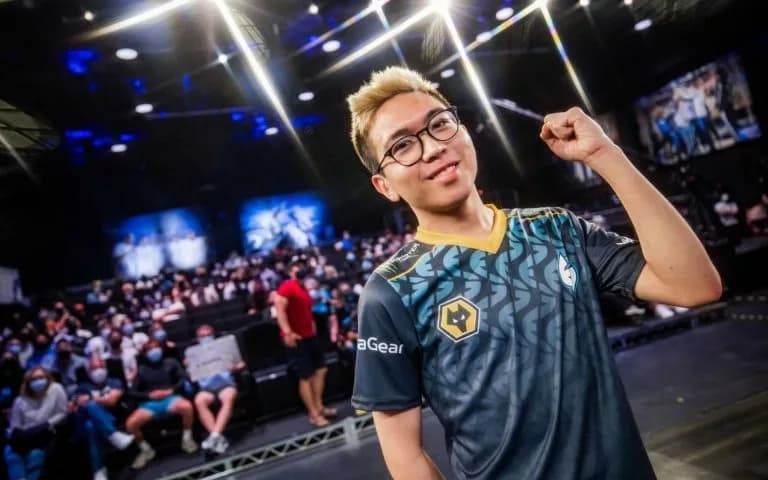
Evil Geniuses benched ADC Kyle "Danny" Sakamaki, citing mental health reasons, sparking community support. Investigations, however, revealed a deeper issue within EG's upper management—negligence and incompetence. The organization's flawed mental health infrastructure, coupled with an arrogant assumption of its sufficiency, highlights a systemic problem. Danny's narrative becomes a rallying point for reform, emphasizing the urgent need for real, qualified mental healthcare in the esports industry.
NaVi and the challenge of navigating the fallout of a war
Star player Oleksandr “s1mple” Kostyliev attributes Natus Vincere's decline in CS:GO to the war in Ukraine, disrupting the team's momentum. The war's emotional toll was evident in s1mple's poignant speech during IEM Katowice, emphasizing humanity amidst competition. NAVI's post-war journey reflects both resilience and struggle, showcasing the team's ability to navigate external adversities as they geared up back then for the BLAST Premier World Final.
In summary, as esports continues to rise, the historical perspective on the mental health of its participants must be prioritized. While strides have been made historically in fostering open conversations and implementing support systems, the collective responsibility has evolved over time. Normalizing historical discussions, prioritizing mental health, and collaborative efforts can transform esports into a space that not only thrives competitively but also prioritizes the holistic health of its most valuable asset – the players.
Feature image credits: Esports.Net
Read also:
S1mple announces "All Stars Promotion": an esports education platform
MinD_ContRol on leaving Nigma Galaxy: "I didn’t feel good that I don’t have success for so long"
Exploring the Evolution of Call of Duty: Modern Warfare: How Many Versions Are There?