
 en
en
Dota 2 Roles Explained To Newcomers
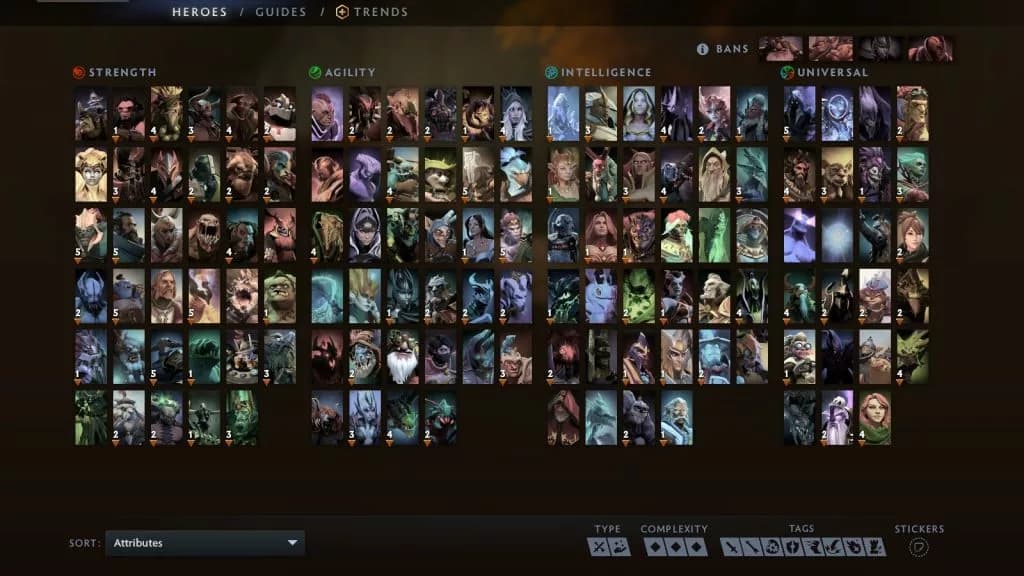
Dota 2 is famous for its complexity, and the sheer number of Dota 2 characters can be overwhelming. With 127 options, new players often stare at the screen wondering where to start. You might see guides referring to "official roles" like Disabler or Nuker, but when you enter a match, players talk about "positions" (Pos 1 through 5).
In this guide, we break down what Dota 2 positions actually mean. Unlike the broad descriptions of dota 2 heroes found in the lore, positions 1–5 are a strict system of resource allocation. We will cover farm priority, how positions map to the Safe Lane, Mid Lane, and Off Lane, and the specific duties for Core and Support roles. By the end, you'll know exactly where to stand and what to do, regardless of which of the dota 2 characters you choose.
The Core Concept: Positions = Farm Priority

At its heart, the ranking of positions in Dota is a system of farm priority. There are limited resources on the map—specifically gold and experience from creeps. If everyone tries to take the same gold, the team falls behind.
The pos 1 to 5 system solves this by assigning a hierarchy. Position 1 has the absolute highest claim to gold; if a creep wave is available, they take it. Position 5 has the lowest priority and should almost never take gold that a core player could take. This hierarchy dictates not just who hits the creeps, but who rotates to fights and who buys expensive support items.
Why does this resource allocation matter? Some Dota 2 roles scale incredibly well with gold (Carries), becoming unstoppable late-game monsters. Others (Soft and Hard Supports) have powerful spells that work well even without items. Understanding this farm priority ensures your team hits its power spikes at the right time.
Lanes and Position Mapping: Safe Lane, Mid Lane, Off Lane
Once you understand priority, you need to know where to go. Dota 2 lanes are generally static during the early game, with specific positions heading to specific areas of the map. The standard setup involves a safe lane, a mid lane, and an off lane.
While strategies can shift, the default meta places specific Dota 2 positions together to maximize efficiency.
Standard Lane Pairings
- The Safe Lane (Radiant Bottom / Dire Top): This lane is safer because the tower is closer to the creep wave. The Position 1 (Carry) goes here to farm safely, usually accompanied by the Position 5 (Hard Support) who babysits them.
- The Mid Lane (Middle): The Position 2 (Midlaner) goes here alone. Solo XP allows them to level up the fastest of all dota 2 roles, giving them an early level advantage to influence other lanes.
- The Off Lane (Radiant Top / Dire Bottom): This is the dangerous lane. The Position 3 (Offlaner) goes here to harass the enemy carry. They are typically joined by the Position 4 (Soft Support).
The five Dota 2 roles in the game
The Carry - Position One
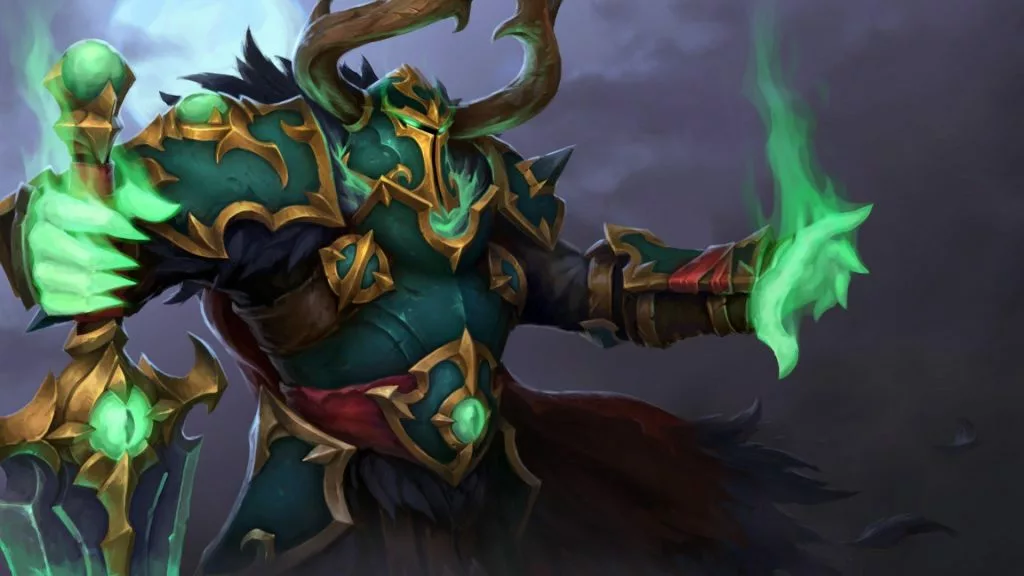
The carry of the team is the one expected to bring victory later in the game. They have the highest farm priority in the team. While some players are off making space, the hard carry is (usually) hitting creeps and amassing gold to become a late-game raid boss.
Carries can join in early game skirmishes, but most aren't very well suited for that. There is a wide variety of carry play styles. From initiating carries like Faceless Void, to elusive heroes such as Phantom Lancer.
Notable Hard Carries: Juggernaut, Sven, and Phantom Assassin.
Famous Hard Carry players: Illya "Yatoro" Mulyarchuk, Wang "Ame" Chunyu, and Alan "Satanic" Gallyamov.
The Mid lane - Position Two
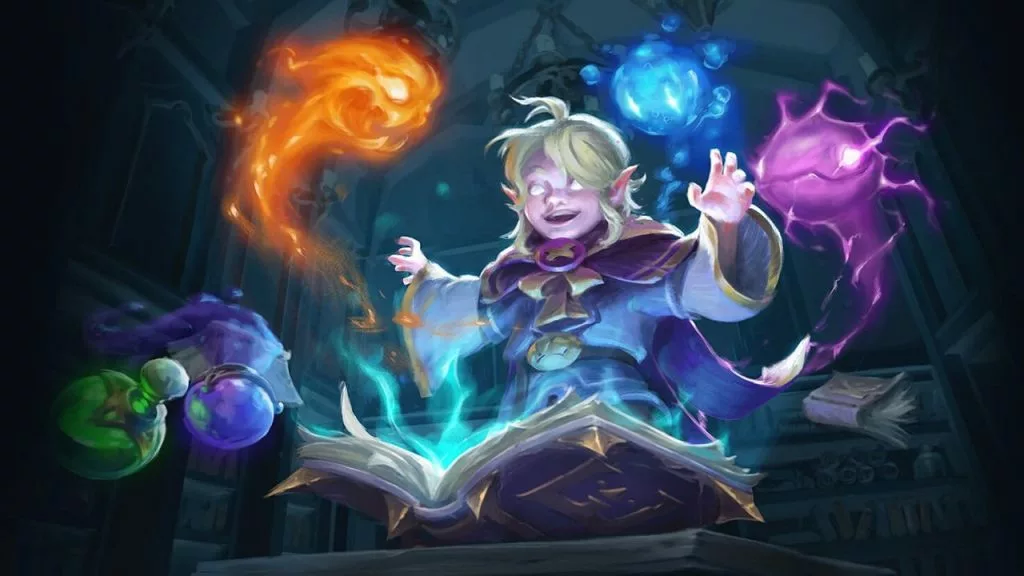
The only player who starts the laning stage solo is the mid laner. This role often boasts the most mechanically skilled player on the team. They are expected to go one-on-one early on and try to slow or shut down their opponent.
The mid lane is often the team's main tempo role. Suitable for roaming around the map and making space. Among the Dota 2 roles, this is the quickest to reach level six and hunt down enemies. The position two scales well into the late-game, but is usually slightly behind the team's carry.
Notable Mid Lane Heroes: Puck, Storm Spirit, and Queen of pain
Famous Mid Lane players: Sumail "SumaiL" Hassan, Topias "Topson" Taavitsainen, and Michał "Nisha" Jankowski.
The Offlane - Position Three
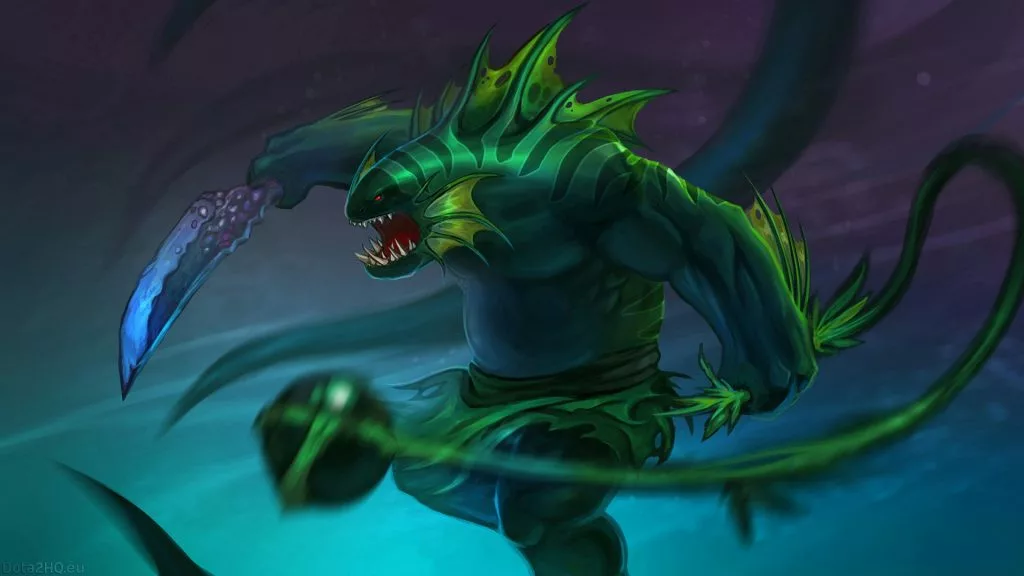
The so called tank among the Dota 2 roles. In the past, the offlaner was expected to go against dual or even tri-lanes and emerge...not victorious, but somewhat even. The offlane has evolved since then, being a more standard 2-vs-2 lane.
The offlane can be played in several ways. He can be the main team initiator, with heroes such as Magnus and Tidehunter. He can also buy auras and absorb damage for the squad, like Underlord. Some offlaners focus more on damage and scaling, functioning as pseudo-carries. It's a versatile role and rewards creativity among players.
Notable OffLane Heroes: Tidehunter, Underlord, and Legion Commander.
Famous Offlane players: Sébastien "Ceb" Debs, Magomed "Collapse" Khalilov, and Zhang "Faith_bian" Ruida.
The Soft Support - Position Four
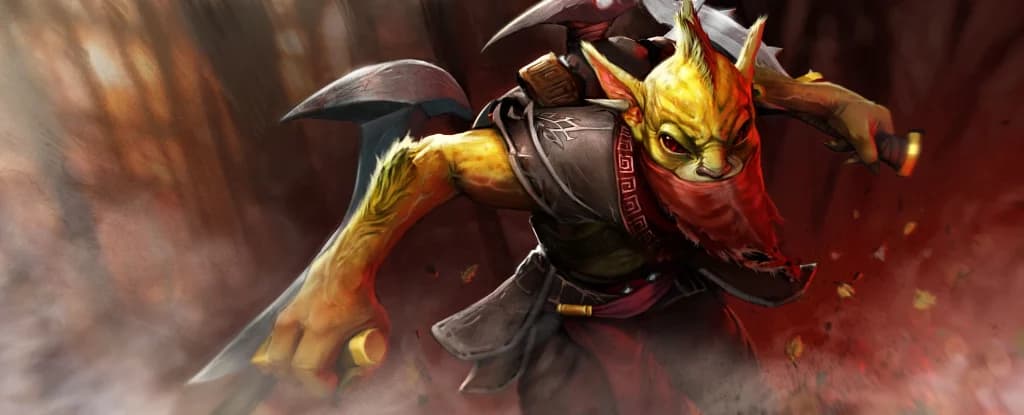
Among the Dota 2 roles, the soft support is the hardest to define. This role mostly does whatever they want, making it very flexible for players.
Soft supports can focus on winning the offlane with their partner. They can also rotate around the map to secure other lanes. Some offlaners can pick saving supports, while others initiate fights. Although it's important to note that this role has low farm priority, so players can't pick a hero that's too greedy.
Notable Roaming Supports: Spirit Breaker, Bounty Hunter, and Tiny.
Famous Soft Support players: Samuel "Boxi" Svahn, Myroslav "Mira" Kolpakov, and Xu "fy" Linsen.
The Hard Support - Position Five
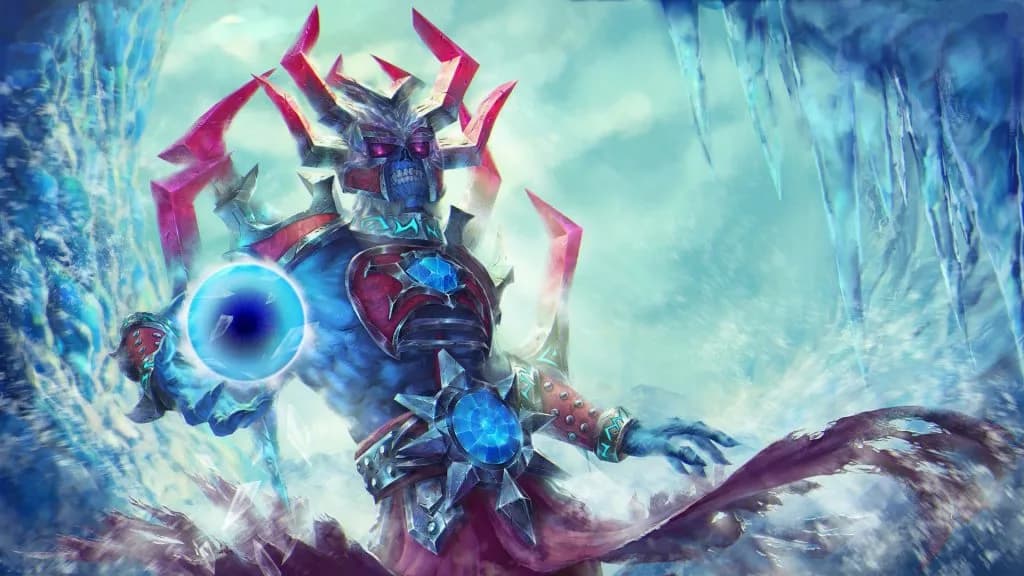
The last on our list of Dota 2 roles and the one with the lowest farm priority. The hard support is expected to secure the early-game for the carry, and then work with other roles to make space around the map.
Hard support doesn't get much gold. Most of their income comes from stacking camps and assists from ally kills. Certain heroes in this role can farm, but it's not expected.
Players can tackle this role from multiple angles. Some players can opt for lane dominators such as Ogre Magi and Jakiro, while others can take Oracle and Winter Wyvern for powerful but risky ultimates. This role is no stranger to dealing, as heroes such as Phoenix and Ancient Apparition can attest to.
Notable Hard Supports: Lich, Crystal Maiden, and Lion.
Famous Hard Support players: Clement "Puppey" Ivanov, Johan "N0tail" Sundstein, and Aydin "Insania" Sarkohi.
“Roles” vs “Official Roles”: Bridging Two Systems
There is often confusion between the numbered positions and the "official" tags you see in the hero menu, such as Nuker, Disabler, or Initiator.
The "official roles" describe what a hero's spells do. The positions describe where the hero goes and how much gold they get. For example, a hero tagged as a "Nuker" (high burst damage) can be played as a Midlaner (Pos 2) or a Soft Support (Pos 4) depending on the meta.
Hero Examples by Position
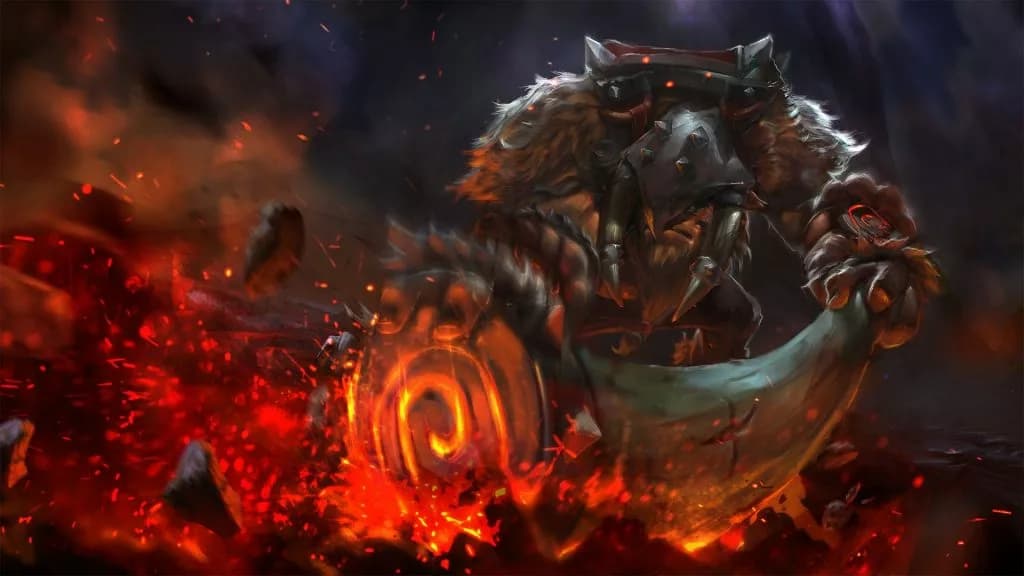
If you are wondering " dota 2 how many heroes fit into each role?", the answer is flexible. However, looking at " most successful heroes " lists on stats sites like Dotabuff or Stratz is a great way to learn.
When viewing these lists, remember that dota 2 positioning (where you stand in a fight) often dictates which heroes work best. A delicate hero like Sniper needs a safe position, making him a Carry or Mid. A sturdy hero like Tidehunter can stand in front, making him an Offlaner.
How to Learn Your Position Faster (Practical Starting Point)
Learning dota positions takes time. You don't need to master hero position nuances immediately. Start by picking one role and sticking to it for 10–20 games.
Picking a Starting Position
If you like action and don't want the pressure of carrying, try Position 4 or 3. If you like strategy and helping others, try Position 5. If you want to be the star (and take the blame if you lose), play Position 1 or 2.
Conclusion
Understanding Dota 2 positions (Pos 1–5) is the first real step from being a beginner to a competent player. It transforms the chaos of 10 heroes smashing into each other into a structured game of economy and strategy. Remember that farm priority dictates your choices: Carries take the gold to win the late game, while Supports sacrifice gold to secure the early game.
While the "official roles" describes the kit of the dota 2 characters, the position describes your job in the match. Check the current meta for the most successful heroes, communicate your pos clearly, and you will find your win rate climbing.
FAQ Section
1. What do positions 1–5 mean in Dota 2? In Dota 2, pos 1 to 5 refers to farm priority. Position 1 (Carry) has the highest priority for gold and XP, while Position 5 (Hard Support) has the lowest. This system ensures resources are allocated efficiently to the heroes who need them most to win the game.
2. Which lane does each position play? Generally, the Position 1 and 5 play in the safe lane, the Position 2 plays in the mid lane, and the Position 3 and 4 play in the off lane. However, sophisticated strategies can sometimes alter these Dota 2 lanes.
3. What’s the difference between positions and roles? Positions (1–5) describe economy and farm priority. "Roles" or official roles (like Nuker, Disabler, Initiator) describe a hero's specific abilities and playstyle. A hero with the "Nuker" role can be played in multiple positions depending on the strategy.
4. What is a Position 4 in Dota 2? A Position 4 is the Soft Support. They typically start in the offlane but roam around the map to set up kills, secure runes, and disturb enemy lanes. They farm slightly more than the Hard Support to buy utility items.
5. Where can I see the best heroes for each position? You can find the most successful heroes for each position on stats websites like Dotabuff, Stratz, or ProTracker. Always filter by your rank and the current patch, as the "best" heroes change frequently.
6. Dota 2 how many heroes are there to learn? There are currently 127 heroes in Dota 2. Beginners should not try to learn Dota 2 all heroes at once; instead, focus on a small pool of 2-3 heroes for your specific position.
READ MORE: Dota 2 Console Commands: Launch Options, Cheats
Featured Image Source: Valve