
 en
en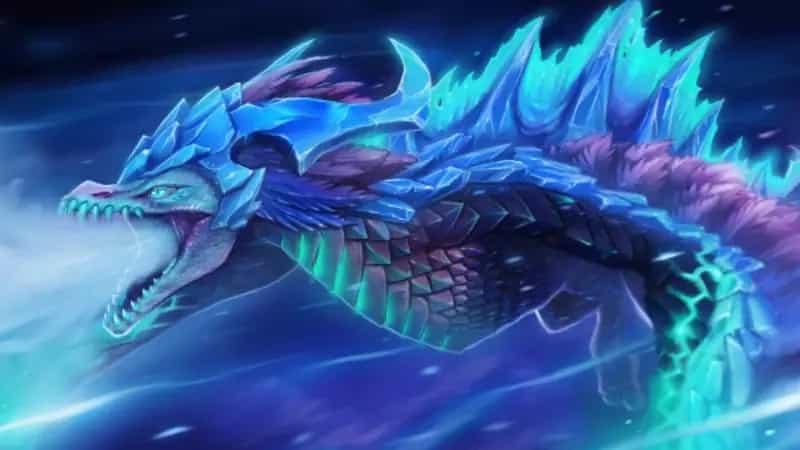
Arctic Chess: A Practical Guide to Winter Wyvern in Dota 2
Winter Wyvern in Dota 2 is a support and disabler who can also function as a nuker. Her kit can save an ally through heavy focus, slow and chip down high-health targets, and flip a team fight by forcing enemies to attack one of their own.
She rewards calm decision-making. One bad spell can disable your teammate at the wrong time. One good spell can decide the fight.
Why Winter Wyvern Works

Winter Wyvern’s spells reach far. That lets you affect ganks and fights from the back line, where you stay safer. She also scales into late fights against physical damage. Winter’s Curse can turn a farmed carry into the tool that kills their teammate. At the same time, she has clear problems. She has poor movement speed and a slow turn rate. She struggles to escape once someone gets on top of her.
Role and Core Identity
Winter Wyvern’s listed roles are Support, Disabler, and Nuker. Her toolkit matches that. As a hard support, she does not need much gold to function. She can protect a safe lane core with Cold Embrace, help ganks with Arctic Burn’s slow, and control waves with Splinter Blast. As a core, she can lean into Arctic Burn attacks and item scaling. Her long range, slows, and magic-heavy damage give her a different kind of carry pattern.
Ability Breakdown

Arctic Burn (Q)
Arctic Burn is a self-cast that turns Winter Wyvern into a flying unit for its duration. You can move over terrain, trees, units, and buildings, but the spell does not give flying vision. While active, your attacks gain range and projectile speed. Your attacks also apply a “burning freeze” debuff that slows and deals damage based on a percentage of the target’s current health per second. A few rules change how you use it. Arctic Burn does not pierce debuff immunity. It also cannot be used by illusions. On cast, it interrupts Winter Wyvern’s channeling abilities.
Each enemy can only receive the debuff once per cast. Extra attacks on the same target do not stack, reapply, or refresh it. That means you often want to spread your Arctic Burn shots across different heroes during the window. The damage happens in 1-second intervals, starting 1 second after the debuff is placed. Even though it scales with current health, it is still lethal. Arctic Burn does not affect wards, buildings, allies, or Roshan. Melee heroes do not apply the debuff, because the effect relies on attack projectiles. At the end of the duration, it destroys trees within a radius.
Arctic Burn with Aghanim’s Scepter
Aghanim’s Scepter turns Arctic Burn into a toggle. It drains mana per second while active, removes the “one debuff per target per cast” limit, and increases your movement speed. With Scepter, Arctic Burn no longer interrupts your channeling abilities when toggling on or off. If you toggle it on, it keeps working even if you get silenced, disabled, or hidden.
Splinter Blast (W)
Splinter Blast targets a unit. It launches a ball of ice that shatters on impact. The key detail is simple: the primary target is completely unaffected. The damage and slow hit nearby enemies in a radius around the impact point. This is why Splinter Blast is strong for waves and clustered fights, and weak when a hero stands alone. If you want to damage a specific enemy hero, you often aim the spell at another unit near them so the splinters hit your real target.
Splinter Blast does not pierce debuff immunity. It can be partially blocked by Linken’s Sphere. The initial projectile cannot be disjointed, but the secondary splinters can be disjointed by most disjoints (not invisibility). It fully affects invisible units and units in fog of war, which makes it useful for pressure and checks from far away. The spell applies damage, then the slow, and then the stun if you have the relevant talent. The stun talent only affects the secondary targets, just like the damage and slow. The stun does not replace the slow.
Cold Embrace (E)
Cold Embrace targets an ally. It encases them in ice for a short duration, heals them each second (base heal plus a percentage of their max health), and blocks all physical damage. It also stuns the allied target. That tradeoff defines the spell. Cold Embrace cannot be cast on allies who have disabled help from Winter Wyvern.
Double-tapping targets yourself. The target can still be attacked and affected by other damage types. Cold Embrace stops physical damage, not magic or pure damage. The heal happens in short intervals during the duration. Early game, the percent-based part heals less because health pools are smaller. Even then, a value point matters because the physical damage immunity can save someone.
Cold Embrace with Aghanim’s Shard
Aghanim’s Shard makes Cold Embrace trigger a Splinter Blast from that location when the buff ends. It also reduces Cold Embrace’s cooldown. For the Splinter Blast release to happen, Splinter Blast must be learned. The projectiles released this way do not require vision and can target invisible units and units in fog of war. Unlike a normal cast, these projectiles get disjointed by invisibility.
Winter’s Curse (R)
Winter’s Curse is the spell that defines Winter Wyvern in Dota 2.
You target an enemy hero. The spell first applies a basic dispel to the target, then freezes them in place and gives true sight. Nearby allies of that target become taunted and are forced to attack the frozen ally, with bonus attack speed. The frozen target and the cursed attackers are immune to damage from their enemies, with one major exception. Winter Wyvern’s magic and pure damage (and damage from her controlled units) can still hurt them, and that damage is amplified. Winter’s Curse is blocked by Linken’s Sphere when used on the primary target.
It partially pierces debuff immunity: it pierces on the primary target, but not on the secondary units that would be taunted. If no valid enemies are within the area for a set time, the curse ends early. Enemies that enter the radius after the cast can still get taunted for the remaining duration. The taunt comes from an aura with lingering behavior. Getting moved outside the radius does not always free a unit while the curse persists, because the aura and linger rules keep it sticking until the primary debuff ends or the target dies. Winter’s Curse cannot be cast on couriers. It also does not affect spell immune, invulnerable, or hidden enemies as secondary taunt targets.
How damage and kill credit work
During Winter’s Curse, incoming damage rules shift hard. Affected units take 100% reduction against physical attack damage and physical spell damage. They also reduce magical attack damage sources. They take increased damage from Winter Wyvern’s magical spell damage and from specific pure damage cases described in the spell rules.
Kill credit gets manipulated too. Damage dealt to the affected target during the taunt duration is sourced to Winter’s Curse and credited to Winter Wyvern. If an allied projectile kills the target even right after taunt ends, Winter Wyvern can still receive credit. Some forced-kill sources and special cases prevent Wyvern from getting that credit, based on the spell’s exceptions.
What Winter’s Curse does not do
Winter’s Curse does not disable enemy abilities directly. Many passives do not work against allied units, so you should not assume every carry will “full combo” their teammate. Some items and effects still apply on allies, including certain bashes and some item modifiers. Others do not trigger on allies. This is why you focus on the reliable part: forced attacks, positioning, and time.
Talents and What They Change

Winter Wyvern’s talents shape how your spells behave, especially mid to late game. At level 10, you can gain damage or increase Cold Embrace heal per second. You can expand Splinter Blast’s shatter radius or increase Arctic Burn’s debuff duration at Level 15. At level 20, you can increase Splinter Blast damage or increase Arctic Burn slow. You can add a Splinter Blast stun on secondary targets or extend Winter’s Curse duration at Level 25. These talent choices often come down to what your team needs: more control and safety, or more reliable damage and chase.
Item Choices
-
Starting items: Tango, Clarity, Iron Branch
-
Early game: Magic Stick, Boots of Speed, Wind Lace, Urn of Shadows (support), Bracer (core)
-
Mid game (support): Magic Wand (later Holy Locket), Arcane Boots, Glimmer Cape, Spirit Vessel, Aether Lens
-
Mid game (core): Power Treads, Witch Blade, Mage Slayer, Aghanim’s Scepter
-
Late game (support): Holy Locket, Mekansm, Guardian Greaves, Force Staff, Blink Dagger
-
Late game (core): Parasma, Hurricane Pike, Eye of Skadi
-
Situational (support): Meteor Hammer, Solar Crest, Lotus Orb, Scythe of Vyse
-
Situational (core): Black King Bar, Linken’s Sphere, Bloodthorn, Mjollnir
How to Play Winter Wyvern Well
Laning basics
Use Arctic Burn to harass and control space. The range boost matters most in lane. Spread your Arctic Burn debuff across targets when you can. Do not spam it into one hero and expect refreshes unless you have Scepter. Use Splinter Blast for pressure when enemies stand near creeps. Target a creep or a nearby unit so the splinters hit the enemy hero.
Positioning rules that keep you alive
Your cast ranges let you stand far back, but your ultimate has shorter range than your other spells. This creates a trap. If you show to cast Splinter Blast from max range, you may give away where you are standing. Then the enemy can jump you before you get a good Winter’s Curse. Try to stay out of vision before fights.
Wait for the first round of enemy spells when that makes sense, then cast Winter’s Curse as a counter-initiation. Mobility items help because your base movement and turn rate are poor. They also help you line up Winter’s Curse without walking into danger.
Using Splinter Blast correctly
Remember the primary target takes no damage. If you cast it on the hero you want to hurt, you get nothing. In fights, cast it on a nearby unit so the splinters hit multiple heroes. In lanes, ranged creeps often give the best surprise angle because enemies watch melee creeps more closely. Splinter Blast can also help break Linken’s Sphere. That can open the way for Winter’s Curse.
Using Cold Embrace without griefing
Cold Embrace saves people from physical damage and buys time, but it disables the ally. Use it when the ally is getting hit by attacks or physical burst, or when they are already locked down and need a reset. Avoid using it when your ally needs to cast a key spell right now. The stun will stop them.
Cold Embrace does not block magical and pure damage. Pairing it with magic resistance sources like Glimmer Cape can make the save much more reliable. A common clean window: use Cold Embrace while Winter’s Curse is active. Your allies cannot damage the cursed enemies anyway, so the downside is smaller.
Using Winter’s Curse to win fights
Winter’s Curse works best when enemies clump. It punishes teams that stand close to their carry or buff target. Prioritize a target that sits near high physical damage, or a target that cannot survive their own team’s attacks. A squishy hero next to a farmed carry often works. Do not waste your team’s spells while the curse is running. Your team cannot damage the cursed units during the immunity.
Use the time to reposition, set up follow-up disables, and prepare to clean up after. Winter’s Curse can lock down a Black King Bar user if they are the primary target. It cannot force spell-immune nearby allies to attack if they are spell immune, so watch who has immunity active before you cast. Force movement can also help. If you can push the cursed target closer to their allies, you can catch more units in the taunt radius.
Common Mistakes
Using Splinter Blast on a lone hero and wondering why nothing happens is the classic one. Casting Cold Embrace on an ally who was about to use a key spell is another. You saved their health and lost the fight. Using Winter’s Curse when your team is ready to burst a target can also backfire. The immunity can waste your team’s damage window. Pick your timing so the curse creates time, not dead space.
Closing Takeaway
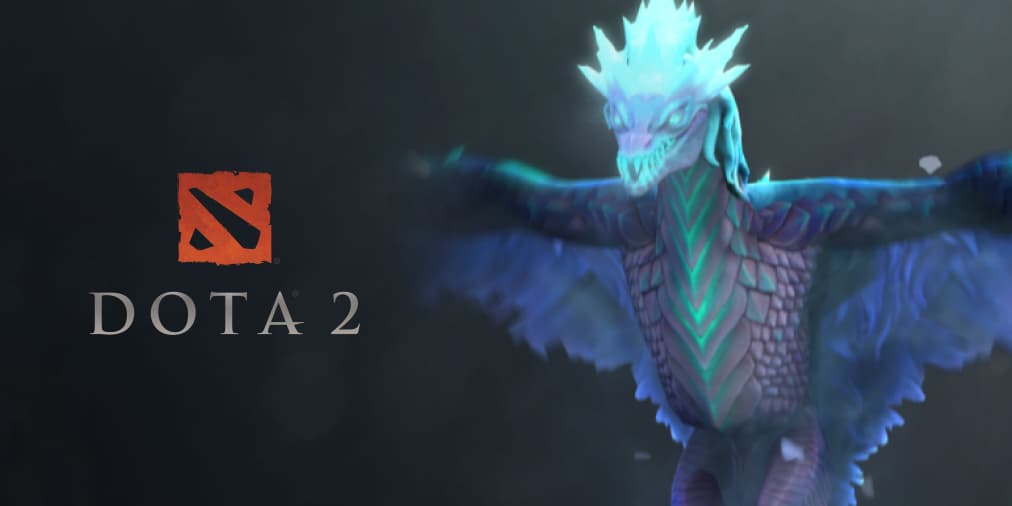
Winter Wyvern in Dota 2 wins games through control: control of who can hit, who cannot be hit, and where people stand when fights start. If you stay hidden, save Cold Embrace for the right damage type, and treat Winter’s Curse as a timing tool instead of a panic button, you will feel the hero’s impact in every match.
Don't forget to check out Strafe Esports for all the latest news and our X account for the latest content and coverage.
Featured Image Credit: Dota 2 Fandom