
 en
en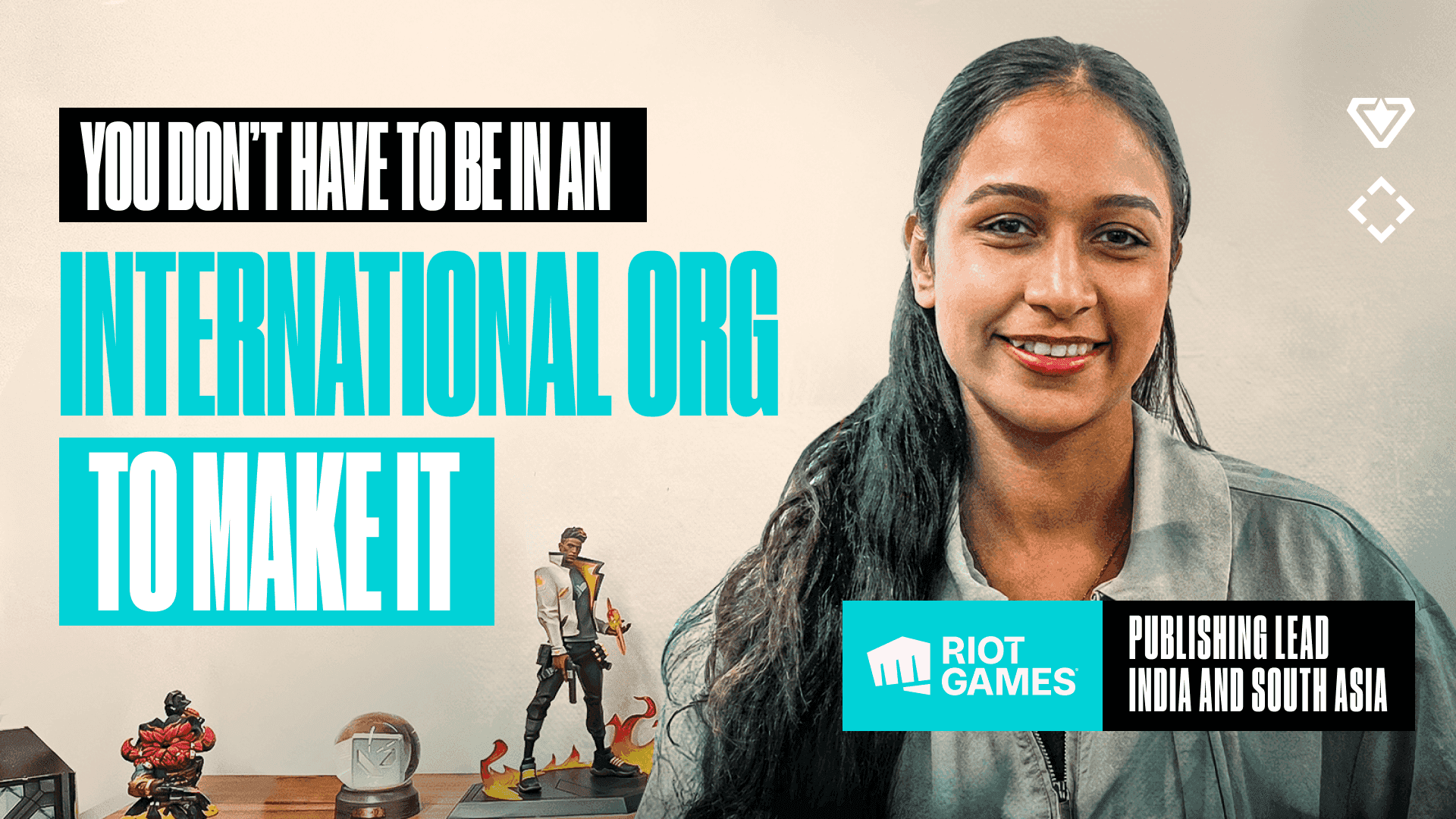
Building an Esports Ecosystem Impossible to Ignore: An In-Depth Look at Riot Games India and South Asia

22 Aug, 2026, 07:19
|Last updated: 22 Aug, 2026, 07:19
In a gaming landscape as massive and culturally diverse as South Asia, standard publishing playbooks do not apply. In that case, how do you market tactical shooters to players from Delhi to Bangalore, and Kathmandu to Dhaka? How do you scale grassroots competition to a point where international recognition becomes inevitable?
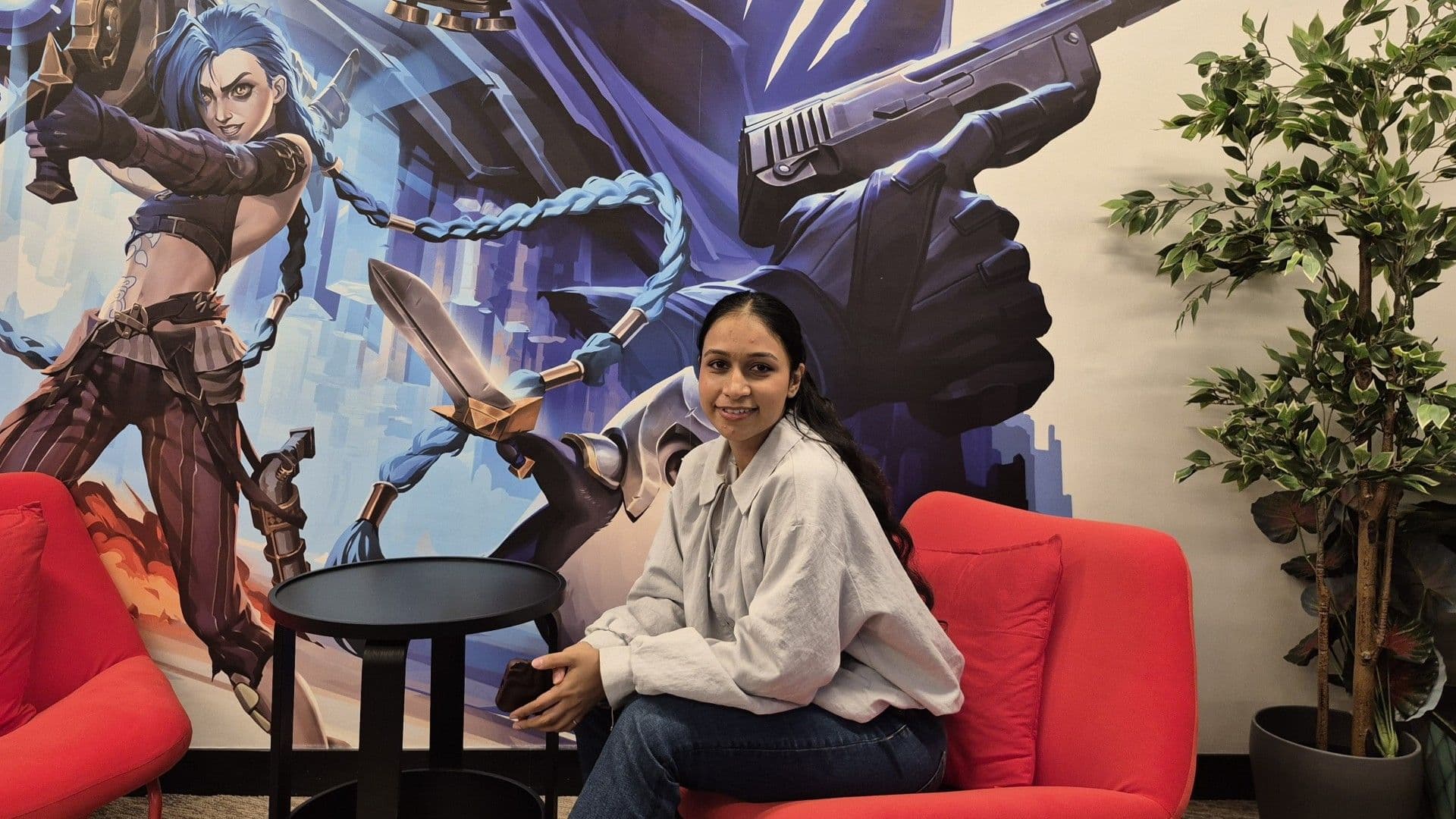
To explore these challenges, we spoke with Anushka Bhatnagar, the Publishing Lead for Riot Games India and South Asia.
Marking her third year with Riot on August 7, 2026, and her eighth year in the gaming industry, Bhatnagar shared her insights on publishing, grassroots initiatives, diversity, and the passion driving the region's Valorant scene.
Redefining Success: Looking Beyond Viewership to Participation
In esports, success is often reduced to viewership metrics on an Excel sheet. While streaming numbers are important, Bhatnagar argues that true ecosystem growth is measured by a more exciting indicator: player participation.
South Asia is a fragmented and heterogeneous market where no two players are alike. Campaigns must be tailored to cultural nuances, as what resonates with a player in Hyderabad might completely miss a player in Delhi.
To gauge true impact, Riot's local team monitors audience engagement, player participation, ecosystem depth, and overall community growth.
"Viewership, of course, is really important. We want to know that people are watching... But something that particularly excites me is participation. You know, that whole journey to see a group of five friends to be actually able to participate, I think that's where the real action lies in."
By focusing on the player journey, Riot is looking to bridge the gap between casual gaming and structured esports.
Grassroots and the Valorant Campus Cup: The Ultimate Gateway
A critical bottleneck in South Asia has been the lack of a defined starting point for aspiring competitive players. To solve this, Bhatnagar and her team designed the Valorant Campus Cup (VCC) as a grassroots gateway.
VCC is a premier six-month collegiate tournament spanning India. The aim is to meet players where they hang out, like colleges and gaming cafes. VCC provides a structured pathway to compete from the collegiate and Premier levels to the big stages.
Last year's tournament culminated in an intense final between Bangalore and JECRC College from Jaipur, with the Jaipur squad taking the championship.
"It was such a beautiful vibe to just be there among college students and have them compete and just the sheer passion of their fellow students cheering them up... grassroots is so lively and we want to do so much more about it."
This year, Riot Games India partnered with JioBLAST to scale VCC. Bhatnagar believes that opening multiple doors of activation via gaming cafes or app integrations creates a healthy funnel for rising talent.
Driving Diversity and Inclusivity Through Game Changers
Riot’s commitment to an inclusive competitive arena is championed through its Game Changers initiative for women and marginalized genders.
In 2025, regional team Asterisk performed exceptionally well, while players like Casper flew to South Korea to gain invaluable international experience.
However, elite tournaments alone cannot solve the diversity gap; inclusivity must begin at the grassroots. To achieve this, Riot has integrated a dedicated competitive layer for women and marginalized communities directly into the Valorant Campus Cup.
"In competitions like GC, while they're quintessential for our ecosystem to grow, we cannot enable grassroots growth there. And we definitely feel that where it actually starts is at our grassroots—and we're gonna implement that through VCC this time."
By establishing distinct qualifiers for female and marginalized community players within VCC, Riot enables players from tier 1, 2, and 3 cities to register and compete in a supportive collegiate environment.
Embracing the VCT APAC Qualification Shift
The Asia-Pacific competitive roadmap shifted dramatically when Korea, Japan, Thailand, Indonesia, and Vietnam secured standalone VCT qualification paths for the 2027 restructuring. Meanwhile, South Asia, Southeast Asia, and Oceania were clubbed into a single qualification ladder via a Last Chance Qualifier.
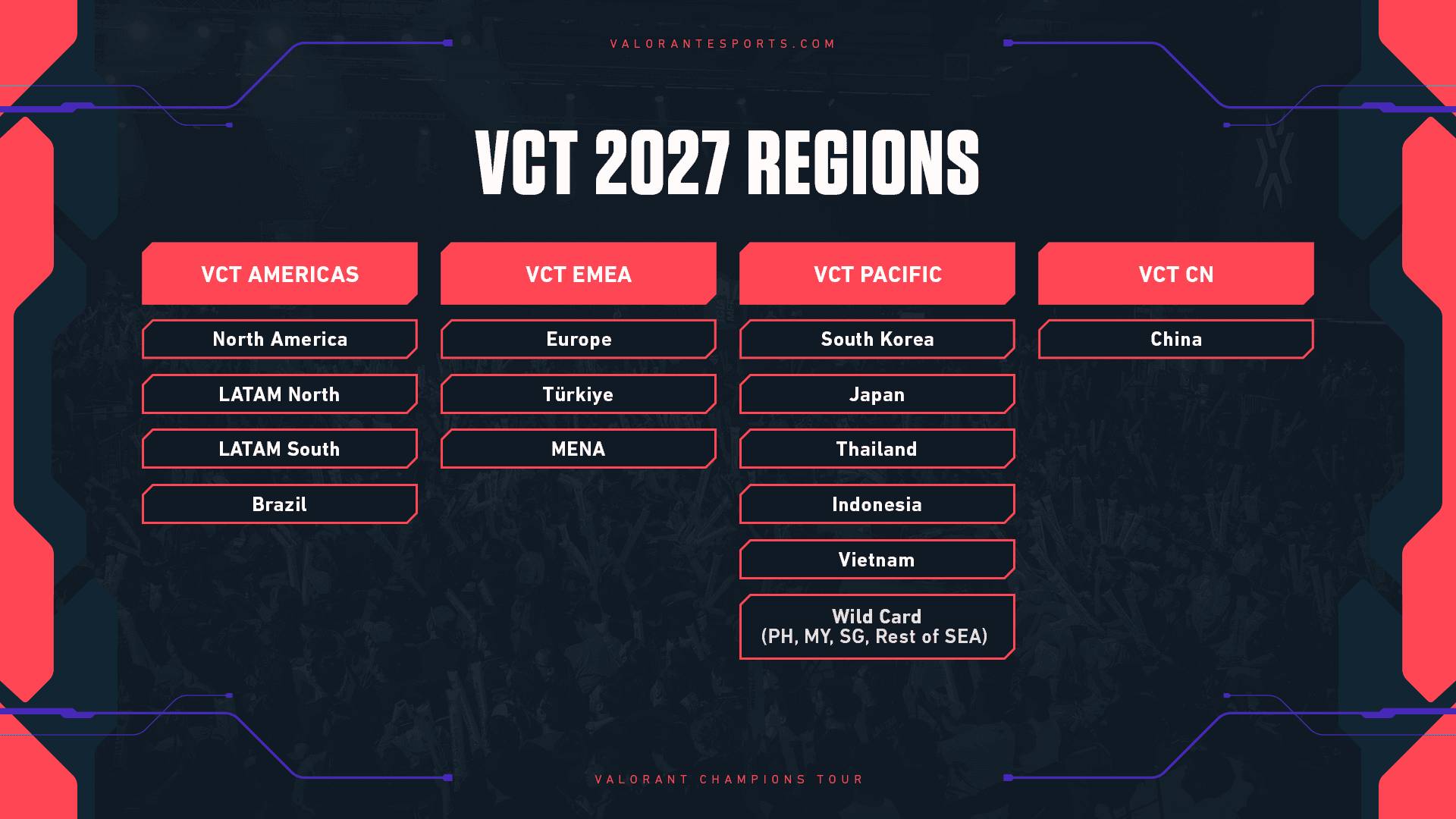
Despite initial community chatter, Bhatnagar views the changes as a highly practical stepping stone. She notes that the unified ladder democratizes the journey to VCT Pacific.
"I actually look at it a little differently. How South Asia and Oceania [are] progressing in the ladder is that they're just getting into the wider VCT Pacific system through a qualifier... What I actually like about the system is that it makes the journey feel a lot more tangible, a lot more reachable. You don't have to start life as an international org to be able to make it."
This format ensures any talented "five-stack" of friends grinding in a local college or gaming cafe has a direct, visible pathway to the global stage.
The Booming Gaming Cafe Culture and Hyper-Local Insight
India is experiencing a massive resurgence in gaming cafe culture. This revival is bolstered by modern tech; for instance, booking apps like "District" now allow players to reserve gaming hours at nearby cafes seamlessly.
Riot's approach to this booming market revolves around capturing hyper-local insights rather than relying on generic playbooks.
The local publishing office works proactively to understand local nuances. Instead of dry corporate announcements, Riot leverages local memes and relatable internet culture to connect with fans on social media.
"While localization is important, insight is even more important... We have hyper-localized some crazy stuff. You will come across some really funny memes which are so niche from some corner part of the country which has been going viral, and that’s one of the smaller ways in how we try to stay in touch with the community."
This hyper-localized strategy, led by Community Lead Brian, helped Riot India’s Instagram presence explode from 10,000 to over 142,000 followers.
Navigating the Mobile Revolution and the Anticipation for Valorant Mobile
India is a mobile-first market, with massive player bases dedicated to titles like BGMI, Call of Duty Mobile, and MLBB. Rather than viewing mobile gaming as an adversary, Bhatnagar highlights that mobile is currently Riot's most powerful distribution channel.
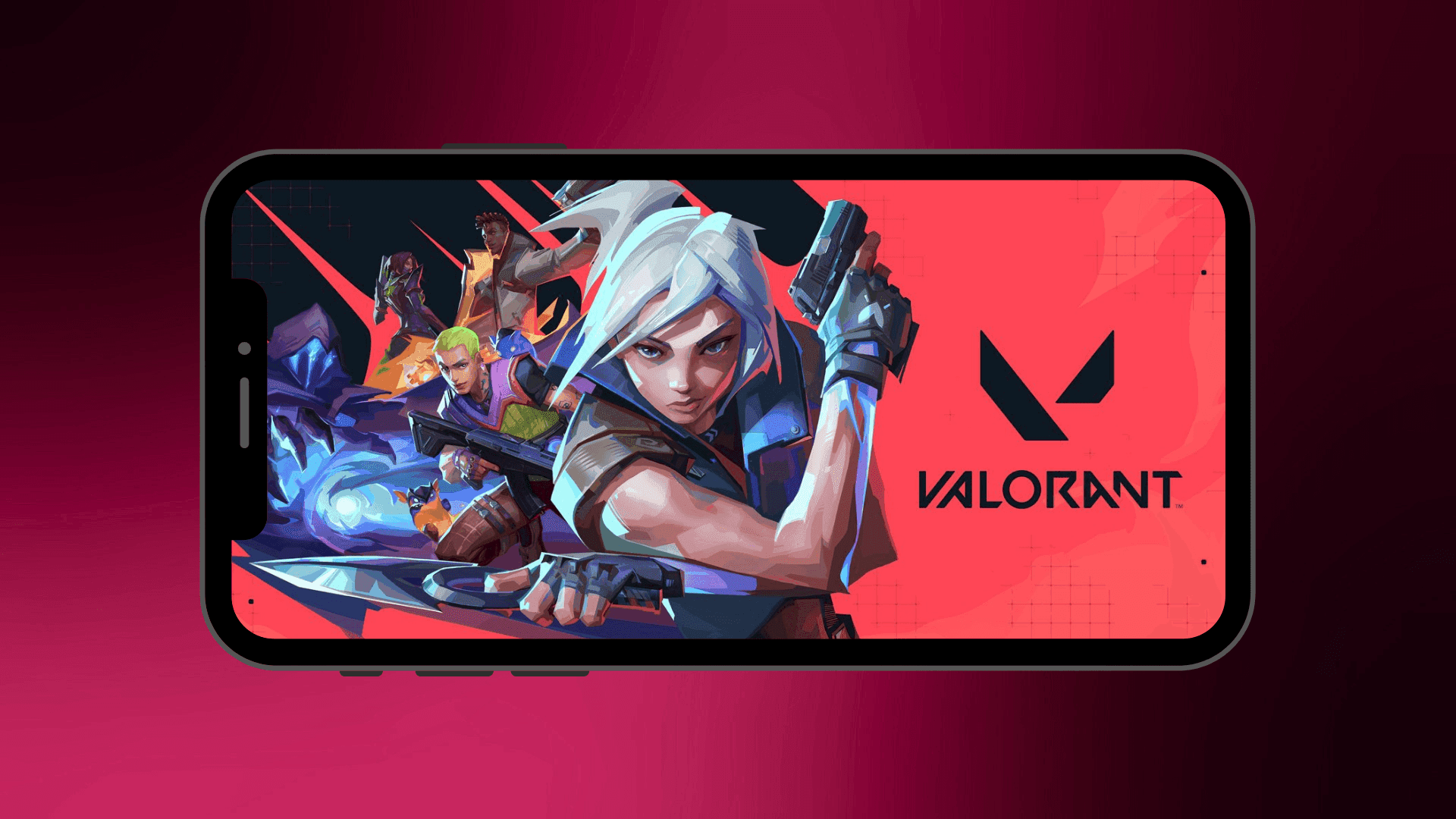
Furthermore, community anticipation for the upcoming Valorant Mobile is reaching a fever pitch. Players are actively discussing how agent abilities will translate to touchscreens and how tactical gunplay will feel on mobile devices.
"The chatter that I hear is not just, 'Oh, Valorant is coming on mobile.' It's more like, 'Hey, how's the experience going to be like? How is it going to feel when you play Valorant on mobile? What agent would we play? How would this agent's ability look like?'"
While the launch timeline remains confidential, Bhatnagar assures players that Riot is listening closely to community feedback to deliver a polished experience.
Building Career Pathways in a Booming Esports Economy
As the gaming ecosystem matures, the industry is rapidly expanding beyond professional playing. South Asia is witnessing a massive boom in alternative gaming careers, which Bhatnagar breaks down into three core segments:
-
Studio-Level Roles: Technical careers focusing on game development, programming, and game economy design in emerging indie studios.
-
Publishing Roles: Creative positions spanning brand management, content creation, social media, and influencer management.
-
Esports & Creator Ecosystem: Production, casting, coaching, team management, and tournament organization.
Reflecting on her own journey, Bhatnagar advises newcomers to start small.
"Personally, I started out... as a marketing content ops, where I was doing a little bit of influencer, I was doing a little bit of social media, a little bit of content, SEO, everything. Entering the gaming industry is where you should start, and you actually make a network and go ahead."
Closing Thoughts: Proving India's Readiness for Tier One Events
While Southeast Asia has hosted major international events like the VCT Pacific Stage 1 Finals in Vietnam and VALORANT Masters Bangkok, Indian fans are eager to witness a Tier-1 Riot event on home soil. Bhatnagar is keen to bring that scale to India but stresses that the ecosystem must first compound its successes.
By scaling up the Valorant Campus Cup, organizing successful local LAN tournaments, and fostering grassroots participation, Riot Games India is systematically proving that the local scene has the infrastructure and passion to host a global-scale championship.
"How do we prove that India actually deserves it? How do we build an ecosystem that's impossible to ignore?... All of these small, small, small things will eventually compound into something bigger, and that's when we'll be ready for it."
Through systematic community building, localized publishing, and a relentless commitment to grassroots play, Anushka Bhatnagar and her team are ensuring South Asia’s gaming ecosystem keeps growing and becomes impossible to ignore.
You can watch the complete interview with Anushka Bhatnagar below:
Don't forget to follow Strafe Esports for the latest news about your favorite esports and to check out our X account for the most recent content and coverage.
Also, stay tuned to the Strafe YouTube channel for exclusive interviews, press conferences, and much more.
Featured Image Exclusive to THESPIKE.GG and Strafe Esports
Read More:
Riot Games to Stop 2XKO Development in December 2026