
 en
en
How to check your MMR in Dota 2: A Beginner's Guide

When playing Dota 2, Matchmaking Rating (MMR) is the main way to evaluate a player's progress in terms of game comprehension. Understanding how MMR works and how to improve it is essential both for new players unlocking ranked for the first time and for veteran players trying to climb to Immortal.
This guide explains the basic of how to unlock ranked matches, how to check your MMR, how the medal system works, how medals evolve, how many points are required for each medal and how to grind MMR to climb the ladder towards Immortal.
How to Unlock Ranked Matches in Dota 2
Before you can see or earn MMR, you must unlock ranked matchmaking. Valve uses this system to ensure that players entering ranked have enough game knowledge, experience and to avoid smurfs (experienced players using fake accounts with lower rank).
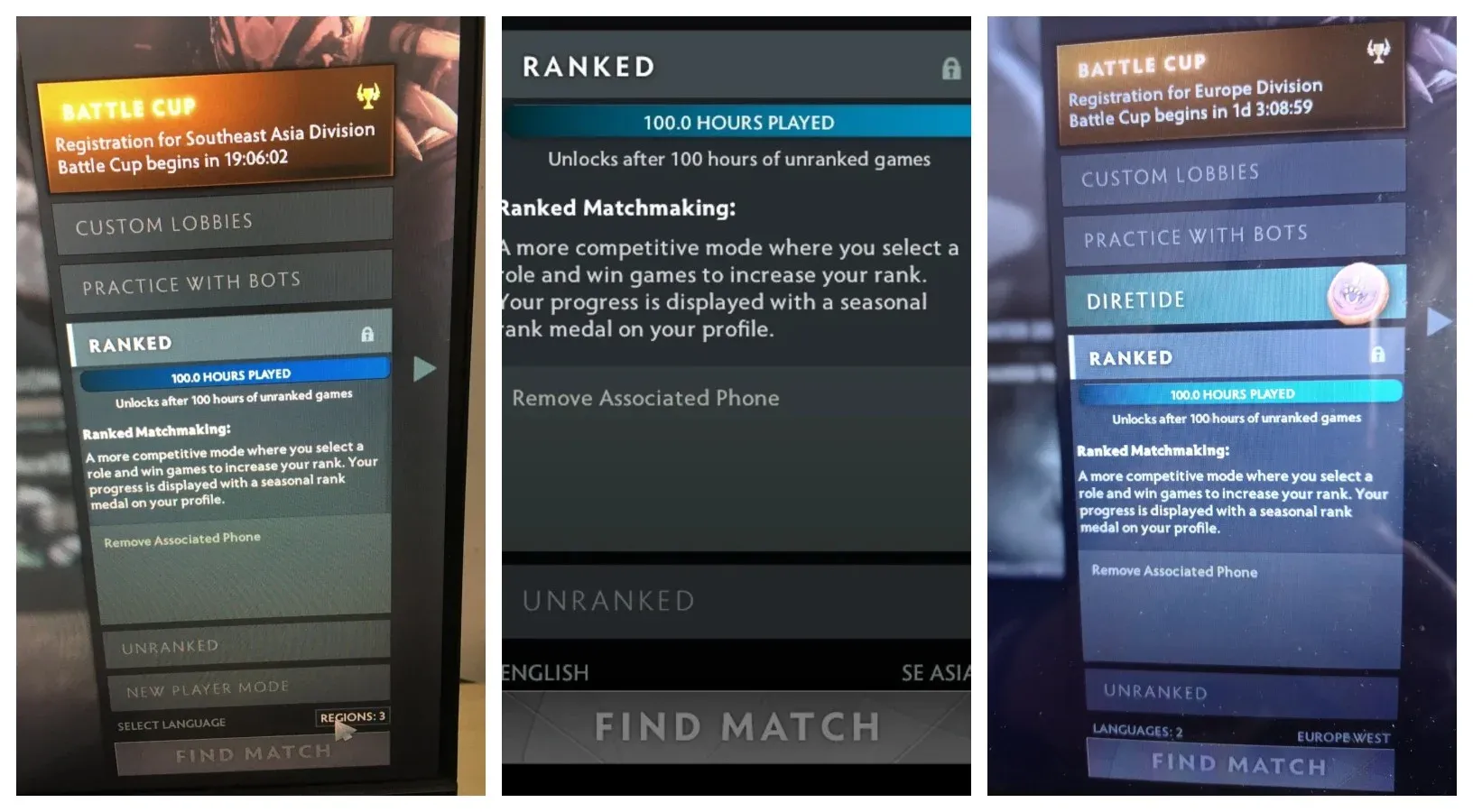
To unlock Ranked matches in Dota 2, you must meet all of the following requirements:
- At least 100 hours of unranked gameplay;
- Hours must be played in normal matchmaking modes (no arcade games or custom lobbies);
- Your Steam account must be in good standing (no active bans or restrictions);
- Phone number must be linked to your Steam account (required for ranked).
You can check your progress by going to the bottom right of the screen on the main page and clicking:
Play Dota → Ranked → Account Progress
Once you reach 100 valid hours, Ranked modes should unlock automatically, allowing you to begin calibration. If it does not unlock right away you should wait for the server to update your account's information which might take up to 15 minutes.
How to Check Your MMR Score in Dota 2
Dota 2 does not show your exact MMR number by default on the main page. If you want to see your score, click on your profile picture on the top left of the main page and then on history in the menu below the main menu on the top of the screen.
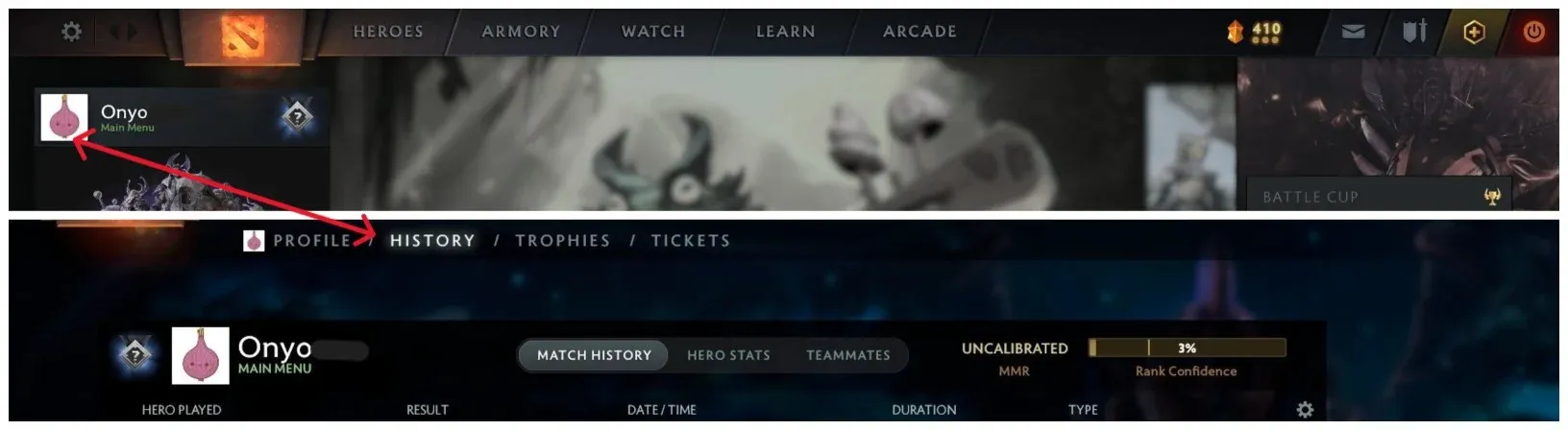
Valve changed from the elo algorithm to Glicko 2 after the New Frontiers Update (7.33). Now on top of your score you also have a rank confidence bar. Calibration is no longer a fixed number of matches. Instead, a player is considered calibrated whenever their Rank Confidence is above 30% rank confidence. Usually you get 1% confidence per ranked match. This means the average amount of matches to calibrate is also around 30.
How Many Medals Are There in Dota 2?
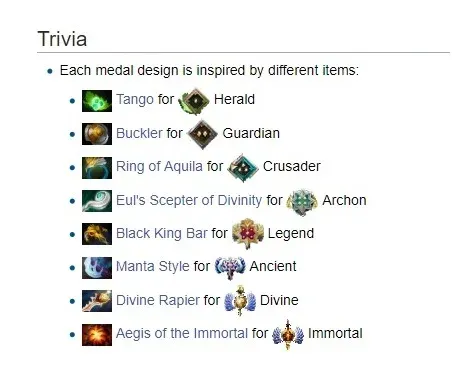
Dota 2 uses a medal system to visually represent player skill brackets. There are 8 main medals, with Immortal being the highest rank. From Herald to Divine, each medal has five stars that indicate progression within that tier. Each star usually represents around 150–200 MMR, meaning you need consistent wins to move up reliably. Immortal does not use stars and instead displays leaderboard rankings for top players.
The medals, in ascending order, are:
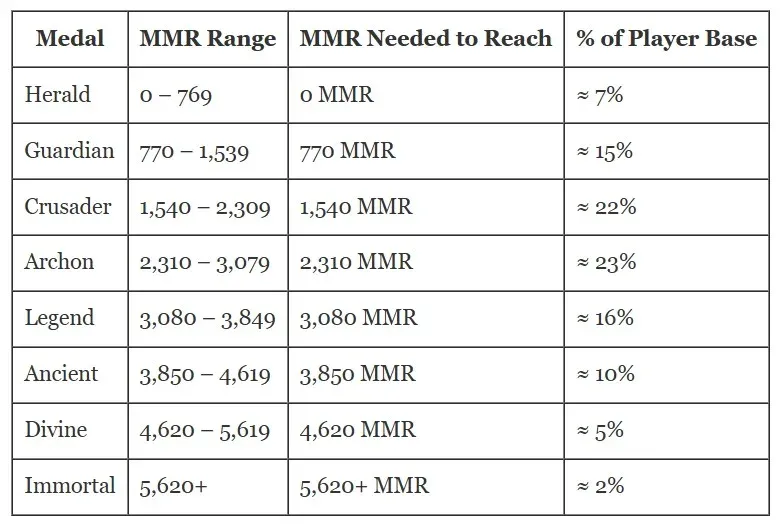
This table is just an estimative and minor seasonal fluctuations may occur, but these values remain statistically consistent across years. Numbers and medals are a good way to keep track of how you evolve but you should focus in playing consistently and improving without caring much for them or you will get frustrated.
How to Evolve Your Medal in Dota 2
Your medal evolves by increasing your MMR through Ranked wins. Each star within a medal represents a specific MMR range. At the start of each new ranked season, you must recalibrate your score and your medal might shift slightly based on performance.
After changing to Glicko, matches no longer have a fixed MMR gain/loss. It is a variable based on a number of factors, including the ranks and rank confidence of the participants. However, Valve will cap the gain/loss per match to prevent particularly negative outcomes.
Key rules for medal progression:
- Winning Ranked matches increases MMR, moving you closer to the next star or medal. Winning harder matchups will award a higher amount of MMR points and winning easier matchups will award less points;
- Losing matches reduces MMR. If your score goes below the average of two medals below your current medal you might drop rank.
- Your medal updates dynamically during the season. If you stop playing ranked matches your confidence will drop.
How to Grind MMR Points in Dota 2
Climbing MMR is not about playing more but about playing consistently better and smarter. Here are the most effective ways to grind MMR:
- Play Fewer Heroes — Specialize in 2–3 heroes per role. Mastery beats flexibility in Ranked, especially below Divine.
- Queue One Primary Role — Splitting time between Core and Support slows medal progression. Focus on your strongest role.
- Play During Optimal Hours — Avoid late-night queues or peak tilt hours. Better match quality often means better win rates.
- Mute Early, Focus on Gameplay — Communication matters, but toxicity loses games. Muting early helps maintain decision-making clarity.
- Play Around Your Team — Dota 2 is a team game and despite the fact that you might want to play muted, you need to make sure you're taking your team's movements in consideration to achieve any meaningful progress.
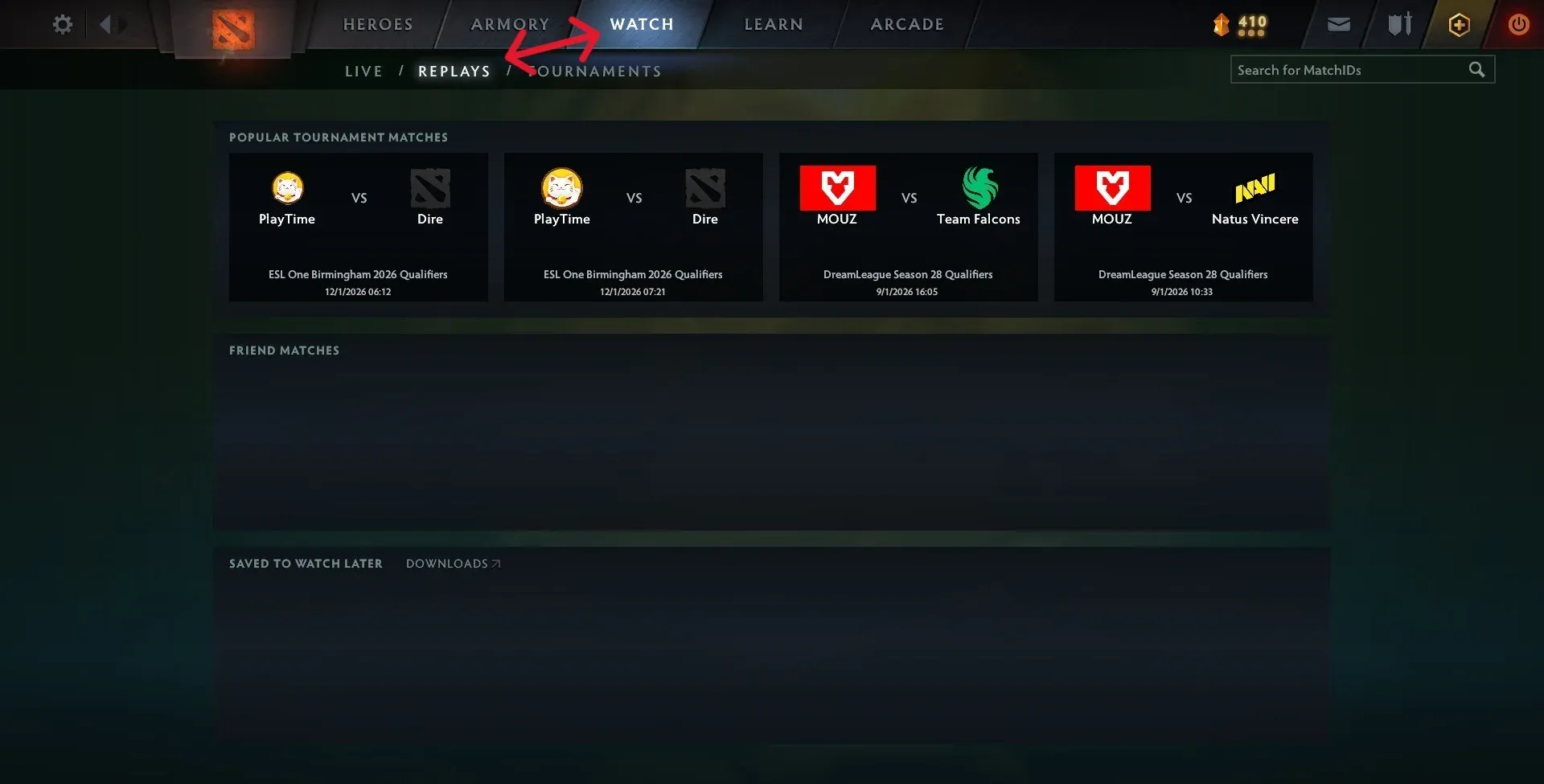
You can download replays by going in your match history and clicking recent matches. Replays remain available from about 7 to 10 days after the match is over but there is no fixed schedule for them to become unavailable. Review your losses by checking replays for:
- Death positioning;
- Objective timing;
- Itemization mistakes.
Adapt your item builds. Strictly following guides might lose games because you do not adapt to specific situations and heroes taking over the game. Adjust items based on:
- Enemy disables;
- Magic vs physical damage;
- Team composition needs.
Finally, unless you have limited time to play, stop playing after two losses and go do something else for a while. Getting tilted dramatically reduces your win probability. Take 15 to 30 minute breaks to eat, stretch, walk or just lay down a bit to protect your MMR from what might become a long string of losses.
Final Thoughts
MMR in Dota 2 is a long-term progression system designed to reward consistency, game knowledge and adaptability. Unlocking Ranked, understanding medals, tracking your MMR and applying disciplined improvement strategies will naturally push you upward over time.
If you treat each match as a learning opportunity rather than a grind, climbing becomes a byproduct of mastery instead of luck. There are many sources of information such as free coaching online and having the humility of getting help when stuck is part of the way to improve your Dota skills.
Featured Image Source: Dota 2