
 en
en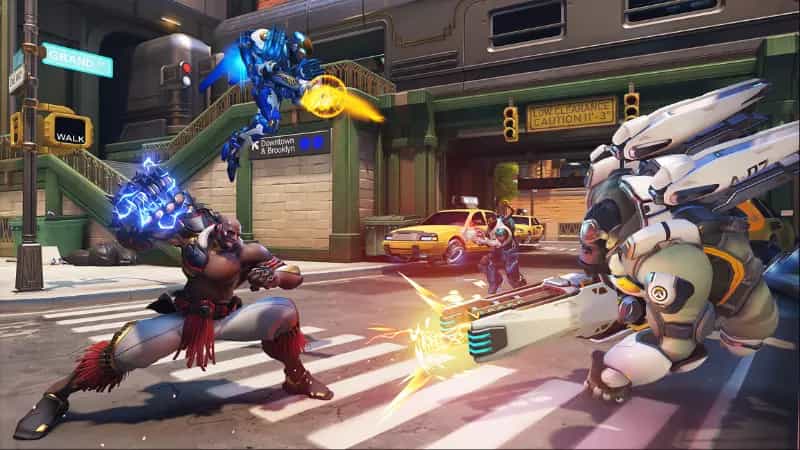
Exploring the Mechanics: How do you play Overwatch?
Overwatch, developed by Blizzard Entertainment, is a team-based first-person shooter that has captivated millions of players worldwide. Its unique blend of fast-paced action, strategic gameplay, and a diverse roster of characters makes it a standout title in the esports arena. This guide will explore the fundamentals of how Overwatch works, including its gameplay mechanics, character roles, competitive modes, and the latest updates introduced in Overwatch 2. The game's ability to merge individual skill with team strategy creates an engaging experience that keeps players returning for more, and its presence in the esports community highlights its complexity and competitiveness.
Understanding Overwatch's Gameplay Mechanics
Overwatch sets itself apart with squad-based combat where two teams, each with distinct heroes, compete across various objectives. Each hero in Overwatch brings a unique set of abilities, contributing to the team's strategy in securing victory. The game encourages dynamic team compositions, allowing players to switch heroes mid-game to counter opponents effectively. This flexibility ensures that no two matches are the same, providing a fresh experience with each game. The emphasis on strategic planning and real-time adjustments forms the core of Overwatch's gameplay, making it both challenging and rewarding.
The Role of Heroes in Overwatch
Heroes in Overwatch are categorized into three main roles: Damage, Tank, and Support, each vital for team success. Damage heroes lead attacks and defend objectives, Tanks absorb enemy fire and protect teammates, and Support heroes provide healing and buffs. Mastering heroes across all roles is crucial for adapting to the ever-changing battlefield dynamics. This diversity allows players to find their niche within the game, whether they prefer the front-line intensity of Tank heroes or the strategic positioning of Support characters. The game's balance between these roles ensures that every player can have a significant impact on their team's success.
The Significance of Team Composition
A well-balanced team composition is essential for success in Overwatch. The game's design prompts players to consider their team's needs, suggesting adjustments to achieve a balanced lineup. Strategic hero switching in response to the opposing team's tactics can turn the tide of battle, emphasizing the importance of flexibility and teamwork. This aspect of the game fosters a deep sense of cooperation and communication among players, making Overwatch a highly social and collaborative experience. The ability to adapt and work together often determines the outcome of a match, highlighting the game's emphasis on team dynamics over individual prowess.
Competitive Play in Overwatch
Overwatch's competitive mode offers players a structured environment to test their skills against others in ranked matches. The competitive system ranks players from Bronze to Grandmaster, reflecting their skill level and performance. Success in competitive matches depends on not just individual skill but also effective team coordination and strategy. This mode serves as the ultimate test of a player's understanding of the game, pushing them to refine their skills and strategies. The competitive ladder is a battleground where teamwork, strategic planning, and individual talent come together, offering a deeply rewarding experience for those who climb its ranks.
How Placements Work in Overwatch
To determine their initial competitive rank, players must complete a series of placement matches. These matches assess a player's performance and assign a rank, setting the stage for their competitive journey. Regular updates to one's rank, based on wins and losses, keep the competitive experience challenging and rewarding. The placement process ensures that players are matched with and against others of similar skill levels, making for fair and competitive gameplay. This system also allows for progression and development, as players can see tangible results from their efforts to improve.
The Evolution of Competitive Play in Overwatch 2
Overwatch 2 introduces significant changes to competitive play, including a shift to 5v5 team compositions and the introduction of new heroes and maps. These updates aim to refine the competitive experience, offering both veterans and newcomers a fresh challenge. The removal of visible skill ratings in favor of tier-based rankings simplifies progress tracking, focusing on overall growth and team play. This evolution reflects Blizzard's commitment to keeping the game dynamic and engaging, ensuring that Overwatch remains a competitive staple in the esports scene. The changes are designed to enhance the competitive integrity of the game, making each match more about strategy and teamwork than ever before.
The Continuous Evolution of Overwatch
Overwatch's enduring appeal lies in its constant evolution, with Blizzard Entertainment regularly introducing new content and updates. New heroes and maps keep the gameplay fresh, while seasonal events and themed challenges offer unique rewards. Overwatch 2 builds on this foundation with a free-to-play model, ensuring the game remains accessible and engaging for a broad audience. This commitment to growth and improvement keeps the community active and invested, making Overwatch a living, breathing world that evolves with its players. The introduction of Overwatch 2 marks a new chapter in this ongoing story, promising to bring even more depth and diversity to the game's rich universe.
Embracing New Heroes and Strategies
Each new hero added to Overwatch brings a fresh dynamic to the game, encouraging players to explore new strategies and team compositions. Learning to play new heroes and adapting to their abilities is key to staying competitive. The game's vibrant community and ongoing support from Blizzard ensure that Overwatch remains a dynamic and evolving esports title. This constant influx of new content challenges players to continuously adapt and evolve their playstyles, keeping the gameplay experience engaging and competitive. The ability to innovate and experiment with new strategies is what keeps Overwatch at the forefront of the esports industry.
The Role of Updates and Seasonal Events
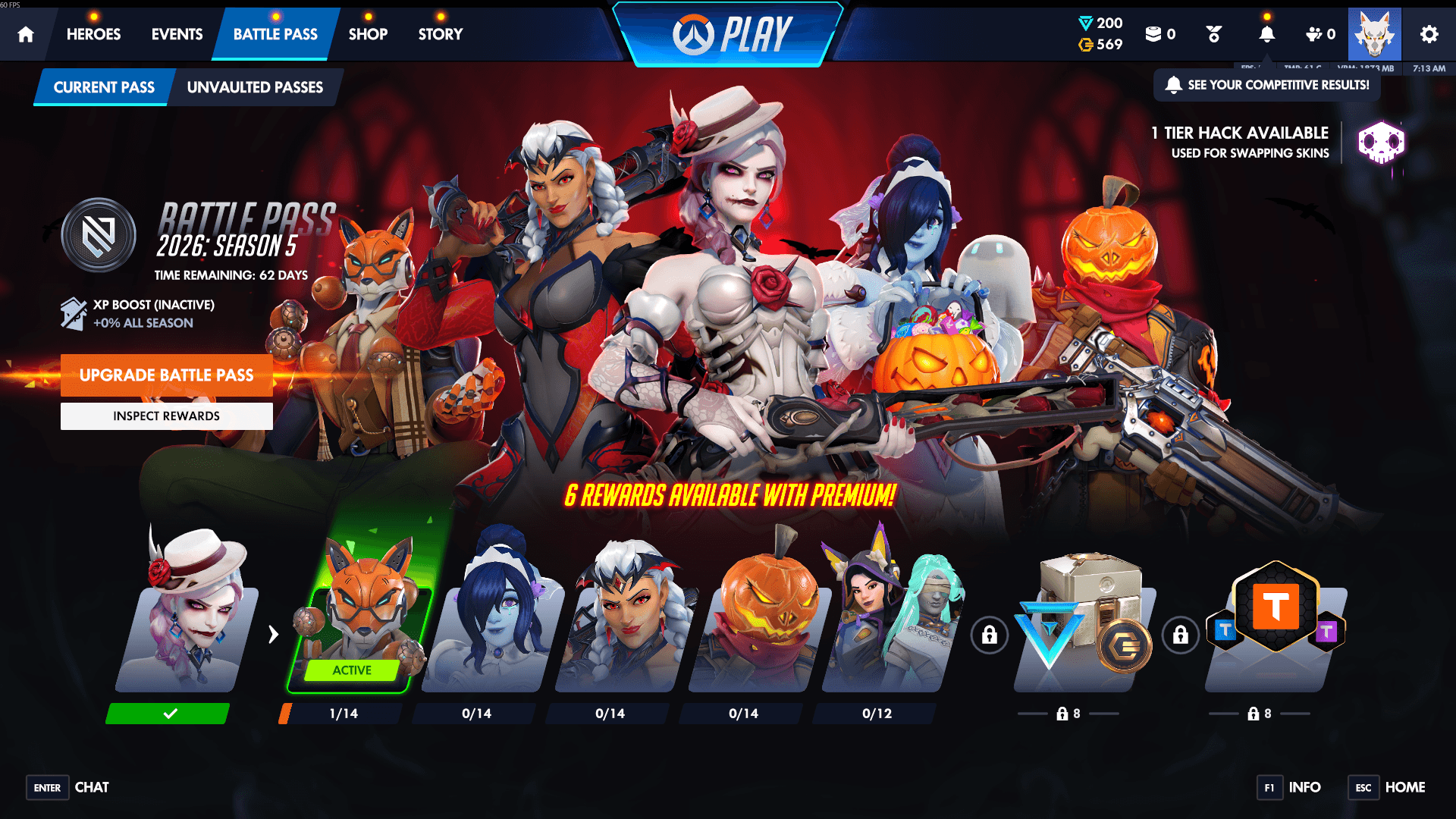
Regular updates and seasonal events play a crucial role in keeping the Overwatch community engaged. These updates not only introduce new gameplay features and balance adjustments but also provide opportunities for players to earn exclusive rewards. Seasonal events, with their limited-time modes and thematic content, add a festive dimension to the game, fostering a sense of community and shared experience among players. These events are eagerly anticipated by the community, offering a break from the standard gameplay and a chance to celebrate special occasions together. The dedication to providing these updates and events demonstrates Blizzard's commitment to keeping the Overwatch experience fresh and exciting for players old and new.
Overwatch's blend of strategic gameplay, diverse characters, and dynamic updates has cemented its status as a beloved title in the esports world. Whether you're a seasoned player or new to the game, understanding how Overwatch works is the first step toward mastering its complexities and enjoying the rich competitive experience it offers. As Overwatch continues to evolve with Overwatch 2, the game promises to remain at the forefront of competitive gaming, offering endless challenges and rewards for players around the globe. This ever-changing landscape ensures that Overwatch will continue to be a key player in the esports arena for years to come, bringing together a global community of gamers in competition and camaraderie.