
 en
en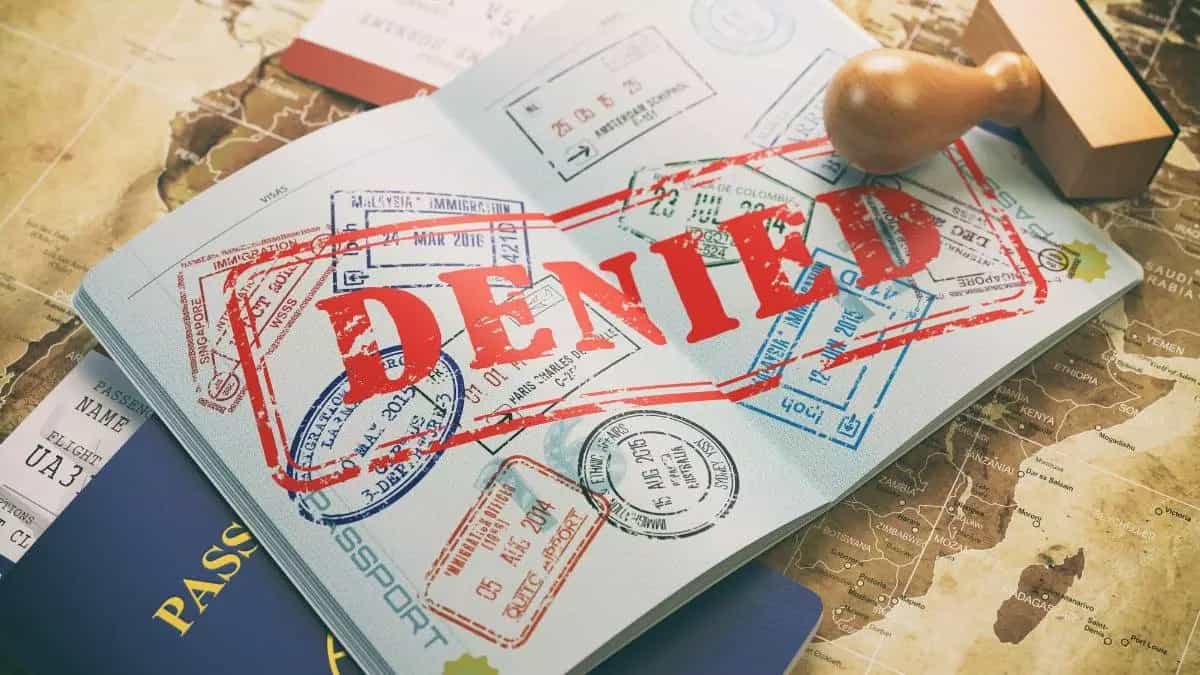
Top 7 Reasons Esports Players Visas Go Wrong
Andre Guaraldo
Andre Guaraldo
24 May, 2024, 10:42
|Last updated: 9 Apr, 2025, 22:18
Esports has quickly grown from a niche hobby into a multi-billion-dollar global industry, attracting millions of fans and thousands of professional players. Despite this rise, the esports athletes frequently face multiple hurdles when trying to secure visas to compete internationally.
This article explores the top seven reasons behind these issues, focusing on the barriers that players encounter and some suggestions on how to alleviate this for the future.
Historical aspects of Esports Visas
The rise of esports presented unique challenges for immigration offices worldwide. Initially perceived as a niche activity, esports quickly gained recognition as a professional sport, outpacing regulatory frameworks designed for traditional sports and entertainment.
Immigration systems in the early 2020s, unprepared for the digital nature of esports events and diverse global participation, struggled with classification and visa processing. Despite efforts by international esports federations to standardize regulations, varying recognition levels and stringent documentation requirements persisted, influencing visa outcomes for players globally.

Main reasons Esport Players get their visas rejected or delayed
1. Recognition issues
One of the primary reasons esports players struggle to obtain visas is the inconsistent recognition of esports as a legitimate profession. While some countries have progressed in acknowledging esports, many immigration officials still lack understanding of the industry.
This leads to varied interpretations of visa applications, often resulting in denials or delays.
2. Misclassification
Esports players are often misclassified under visa categories not suited to their professional status, such as tourist visas (B-1/B-2), leading to increased scrutiny and potential denial. This misclassification complicates the visa application process and can result in unnecessary rejections.
This issue is not limited to the USA but is also common in the European Union, where different regulations in each country can lead to further complexity.
3. Geopolitical factors
Geopolitical factors play a significant role in visa approvals. Players from countries with strained political relations with the host country often face increased scrutiny, leading to higher chances of visa denial.
This issue affects players from various countries including China and Russia, where political tensions can lead to stricter visa controls.
4. Bureaucratic hurdles
Navigating the complex bureaucratic procedures of visa applications is another significant challenge. The process often involves extensive documentation, interviews, and background checks, leading to delays and denials.
Countries with stringent immigration policies like China, South Korea, and Australia, are known for their rigorous requirements and long processing times.
5. Stringent P-1 visa requirements
In the USA, the P-1 visa is designed for internationally recognized athletes. Esports players applying for this visa must provide extensive documentation to prove their achievements and status.
This includes evidence of participation in major events, media coverage, and letters of endorsement from recognized authorities in esports. The stringent requirements make it challenging for many players, particularly younger ones or those from emerging regions, to qualify.
6. Short notice events
Esports tournaments often require players to travel on short notice. This urgency complicates the visa process, as the timelines for obtaining the necessary documentation and approvals are often incompatible with the immediate travel needs.
This is a common problem in countries like the USA, Canada, and Germany, where visa processing times can be lengthy.
7. Lack of awareness
Immigration officials often lack familiarity with the esports industry, leading to misunderstandings and inconsistent adjudications of visa applications. This lack of awareness can result in the rejection of legitimate visa applications due to misinterpretation of the professional nature of esports.
This issue is prevalent in many countries, including the USA, Japan, and Australia.

Notable examples of Visa issues in 2024
Several instances in 2024 highlight the ongoing issues esports players face with visa approvals almost 20 years after the beggining of the digital tournaments:
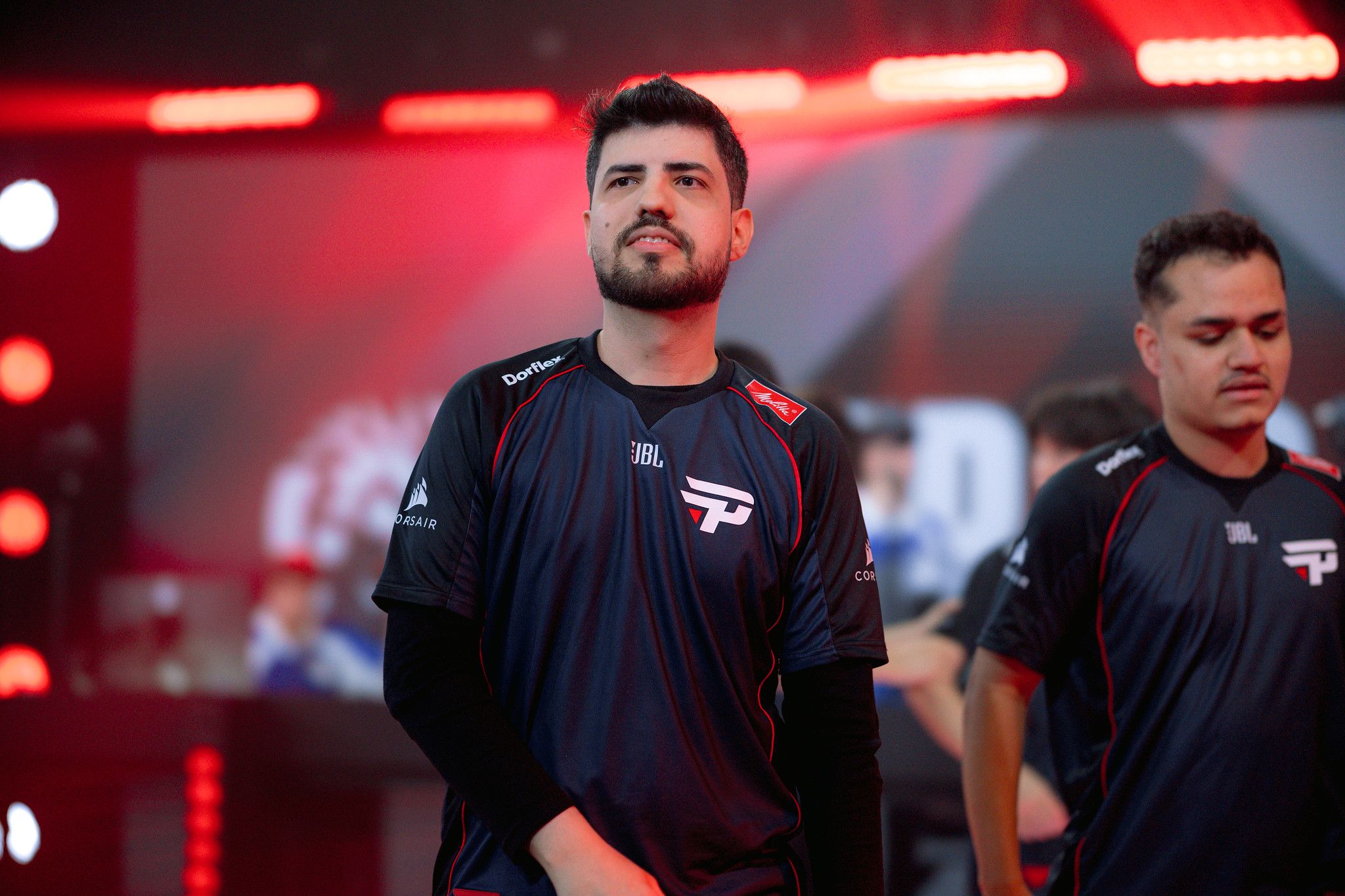
- Wonderkid from G2 Esports: m0NESY arrived last-minute at BLAST Premier Spring Final in London. Despite his stellar performance and MVP award at IEM Dallas, his visa application was hindered by recognition issues.
- Sentinels and LOUD: Sentinels' IGL, Johnqt, faced visa problems returning to the USA from Morocco after participating in Masters Madrid. Similarly, LOUD's players were stuck in Ireland due to visa delays, jeopardizing their participation in the VCT Americas.
- MIBR roster changes: ShahZam and Pa1nt had to stand-in for MIBR due to visa issues with Palla and rich, who are still stuck in Brazil and could not join the team in the USA.
- Aspas from Leviatán: Aspas was stranded in Shanghai due to delays in renewing his visa. His inability to return in time for the VCT Americas Stage 2 forced the team to practice without him for almost 3 weeks.
Potential solutions and advocacy
To address these challenges, a multifaceted approach is required:
Streamlining Visa Processes
There is a need for more streamlined visa processes tailored to the unique requirements of esports athletes. This could involve creating specific visa categories for esports, similar to those for traditional sports and entertainment, with clear guidelines and reduced bureaucratic hurdles.
Increased Awareness and Education
Educating immigration officials about the legitimacy and significance of esports is essential. Workshops, informational materials, and direct engagement with the esports community can help bridge the knowledge gap.
Legal Support and Advocacy
Esports organizations, legal experts, and advocacy groups must continue to support players in navigating the visa application process. Providing resources, sharing best practices, and advocating for policy changes can help mitigate the challenges faced by esports athletes.
International Cooperation
Greater international cooperation and agreements recognizing esports credentials can facilitate easier travel for players. Bilateral agreements between countries could streamline visa processes and reduce the administrative burden on players and teams.
When will countries look at Esports visas more carefully?
The challenges that esports players face in obtaining visas are significant and multifaceted. Recognition issues, stringent requirements, bureaucratic hurdles, misclassification, geopolitical factors, short notice events, and lack of awareness all contribute to the difficulties players encounter.
While the USA is the most prominent country where these issues arise, they are not restricted to it, affecting players globally.
Addressing these issues requires coordinated efforts from the global esports community, policymakers, and immigration authorities.
dollBy advocating for more streamlined and esports-specific visa processes, we can ensure a more inclusive and fair competitive environment, fostering the continued global growth and success of the esports industry.
Feature image credits: ShikSha.com
Read also:
VCT Americas 2024 Stage 2: Format, Schedule, Roster Updates and more
Riot Game introduces drastic changes to VALORANT Ascension and Challengers
VALORANT Premier Stage Episode 9 Act 1: All you need to know