
 en
en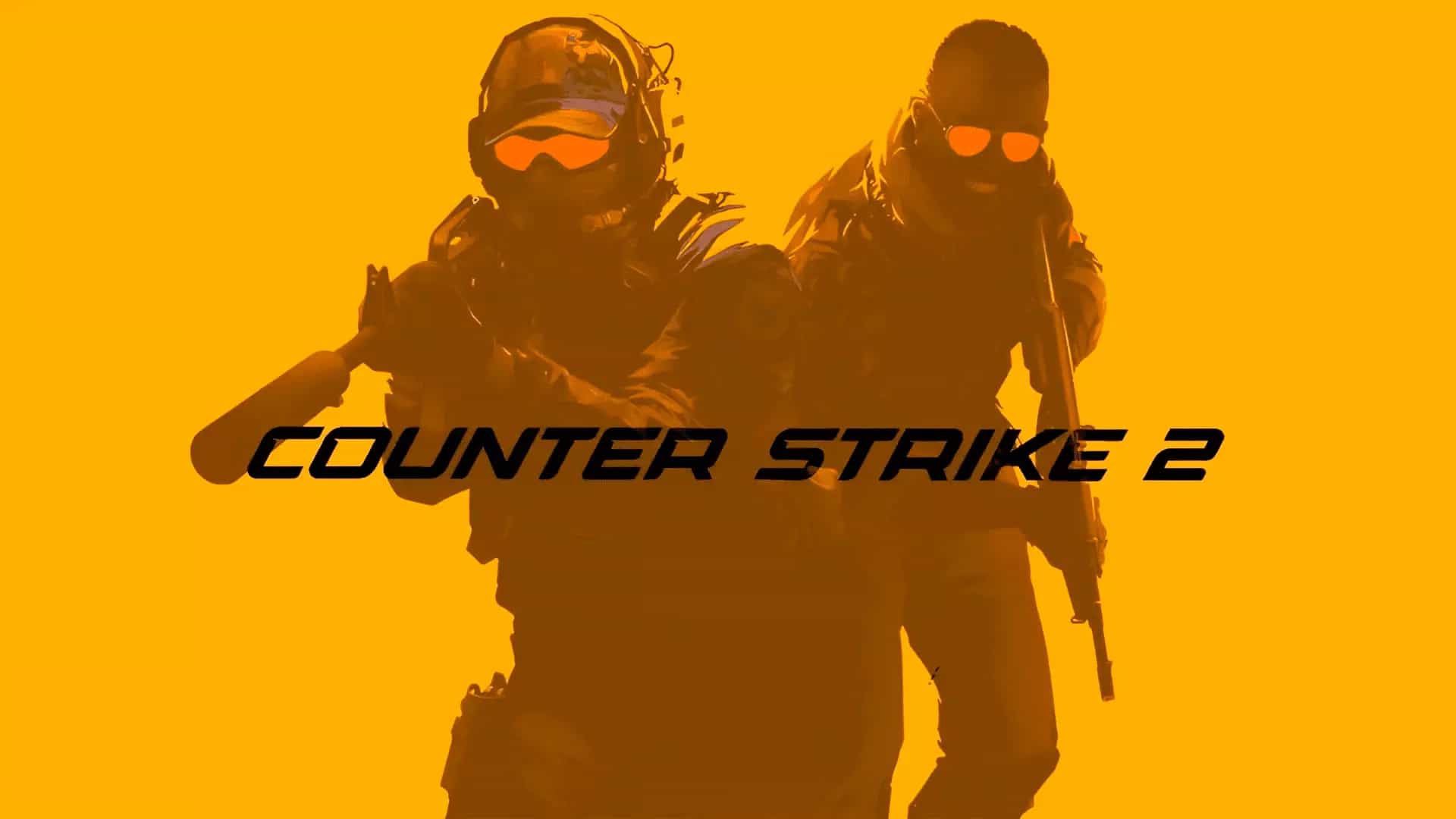
How Valve's Objectives With The Skin Market Update Failed Miserably
The Counter-Strike 2 skin market will never be the same again. On October 22, 2025, Valve released an update that promised to revolutionize the Trade Up Contract system, allowing players to exchange five skins for high-tier knives and gloves. What was meant to democratize access to rare items turned into one of the biggest economic disasters in gaming history, wiping out over $2 billion in market value in less than 24 hours.
Valve’s Flawed Plan That Backfired
The initial idea seemed reasonable: give players a cheaper way to obtain knives and gloves without relying solely on luck in boxes. However, Valve clearly underestimated the domino effect that their decision would trigger.
- What Valve (probably) expected: To make high-end skins more accessible, gradually lowering prices and balancing the market.
- What actually happened: A frantic rush for Red skins inflated their prices by up to 1000%, while knives plummeted by 70% in value.
The Absurd Reinversion of the Skin Hierarchy
Ironically, Valve completely broke the economic logic they themselves had established. Covert skins, which usually cost between $5-50, suddenly became more valuable than thousands-of-dollars knives. Examples of this surreal shift:
- Aug | Chameleon: From $5.10 to $50.03 in hours
- P90 | Asiimov: From $18.05 to $118.45
- MP7 | Neon Sport: From $3.74 to $35.35
- Safari Mesh (Factory New): Reaching $420, dubbed “garbage” by traders themselves
Meanwhile, skins that used to cost $1,300 (high-end knives) fell to $200, creating a bizarre scenario where players preferred buying ugly Red skins than premium knives.
The Genesis Terminal: The Cherry on the Cake of Failure
As if that wasn’t enough, Valve launched the Genesis Terminal system in September 2025. This mechanic promised to offer skins directly at fixed prices, theoretically creating an alternative to the volatile Steam market.
However, Genesis Terminal has no gold-tier items (knives or gloves), making it instantly irrelevant after the Trade Up update. With knives now available via contracts around $1,000 in Red skins, who would buy a skin from the Terminal for the same price when it could be used as material to craft a knife?
Anatomy of an Economic Disaster
- Phase 1 - Buying Frenzy (first 6 hours): Experienced traders saw the potential immediately and started hoarding Red skins. Demand skyrocketed 400%, creating artificial scarcity.
- Phase 2 - Uncontrolled Inflation (12-24 hours): With only about 20 million skins in circulation, prices soared exponentially. Skins that were once worthless became commodities.
- Phase 3 - Knife Collapse (24-48 hours): Anticipating a surge in crafted knives, the market panicked. $20,000 knives fell to $10,000, with many losing over 80% of their value.
- Phase 4 - Harsh Reality (72+ hours): Players realized not all Trade Ups are profitable. Many combinations produce lower-value knives, turning the process into an expensive lottery.
Why It Went Wrong: Basic Economic Failures
Valve fundamentally mishandled the economic design of the CS2 update by underestimating the power of speculation, failing to foresee that professional traders would rapidly dominate the new system to their advantage. They ignored critical market psychology aspects, inadvertently creating an artificial fear of missing out (FOMO) that drove demand to unsustainable heights.
Additionally, Valve released this major structural change (a modification to a $6 billion live marketplace) without adequate beta testing or staged rollout, exposing the market to severe shocks immediately. Perhaps most critically, they disrupted the established rarity and value hierarchy by making "cheap" Covert skins more valuable than traditionally rarer items, undermining the entire logic of skin rarity and leading to massive price distortions and market chaos.
The Aftermath and the Future For...
- Collectors: Investors holding high-value knives lost millions overnight. A Karambit Doppler Sapphire worth $15,000 is now worth $7,500, representing a huge loss.
- Casual Players: Ironically, those who were supposed to benefit got hurt most. Affordable skins like the AK-47 or AWP became unaffordable, while cheap skins remain expensive.
- The Ecosystem: Trading sites, streamers, and influencers who relied on market stability saw their business models fall apart overnight. Trust in Valve’s economic management is severely damaged.
Confirmation of The Disaster After a Partial Recovery
In the following weeks, the market rebounded by roughly 47%, climbing from $3 billion to $4.1 billion. But this “recovery” merely confirms the crash was driven by panic rather than correction.
Most importantly, the distorted hierarchy persists. Red skins are still inflated because they fuel further Trade Ups, while knives remain in uncertain territory.
A Dark Future for the CS2 Market
This update set a dangerous precedent: if Valve can wipe out billions in market value with one “small” update, how much confidence can investors place in the future? As an expert trader noted: “It’s not about supply anymore; it’s about confidence. This is just the beginning of what could come next”.
The reality is Valve created a system where:
- You cannot buy decent knives (they're too expensive)
- You cannot buy decent Red skins (inflated prices)
- Genesis Terminal is irrelevant (no golds)
- Trade Ups are a costly lottery (most are unprofitable)
A Monumental Fail
The update that meant to democratize high-tier skins actually made everything worse: prices for all skins became inaccessible, and market hierarchy was completely shattered. High-end knives are unstable, Red skins are prohibitively expensive, and the new system only added more costly gambling.
Valve failed to understand the core market principles, destroying both collector and casual player segments, and creating unnecessary volatility. It was not a correction, just a catastrophic experiment that wiped billions and showed that even giants like Valve can make epic economic mistakes when ignoring fundamental supply/demand and market psychology.
For the latest CS2 news and guides, follow Strafe Esports. Check out our X account for the latest content and coverage.
Feature image credits: Valve
Read also:
100 Thieves Reportedly Returning to Counter-Strike with Rain at the Helm
IEM Chengdu 2025 Preview: Elite Counter-Strike Returns to Asia