
 en
en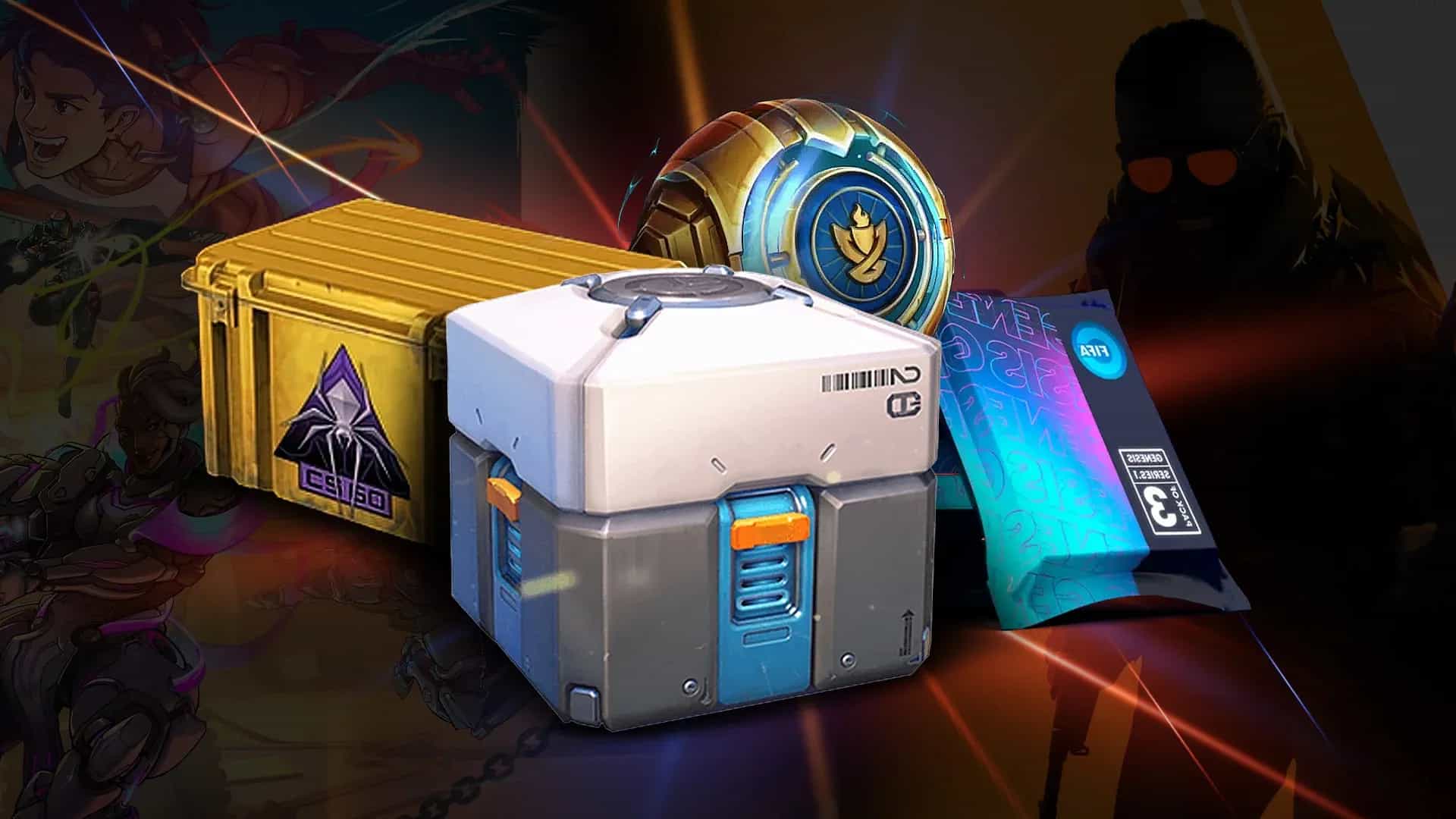
Brazilian Justice Condemns Steam, PlayStation, Xbox and Others to Pay USD 50 Million for Loot Boxes

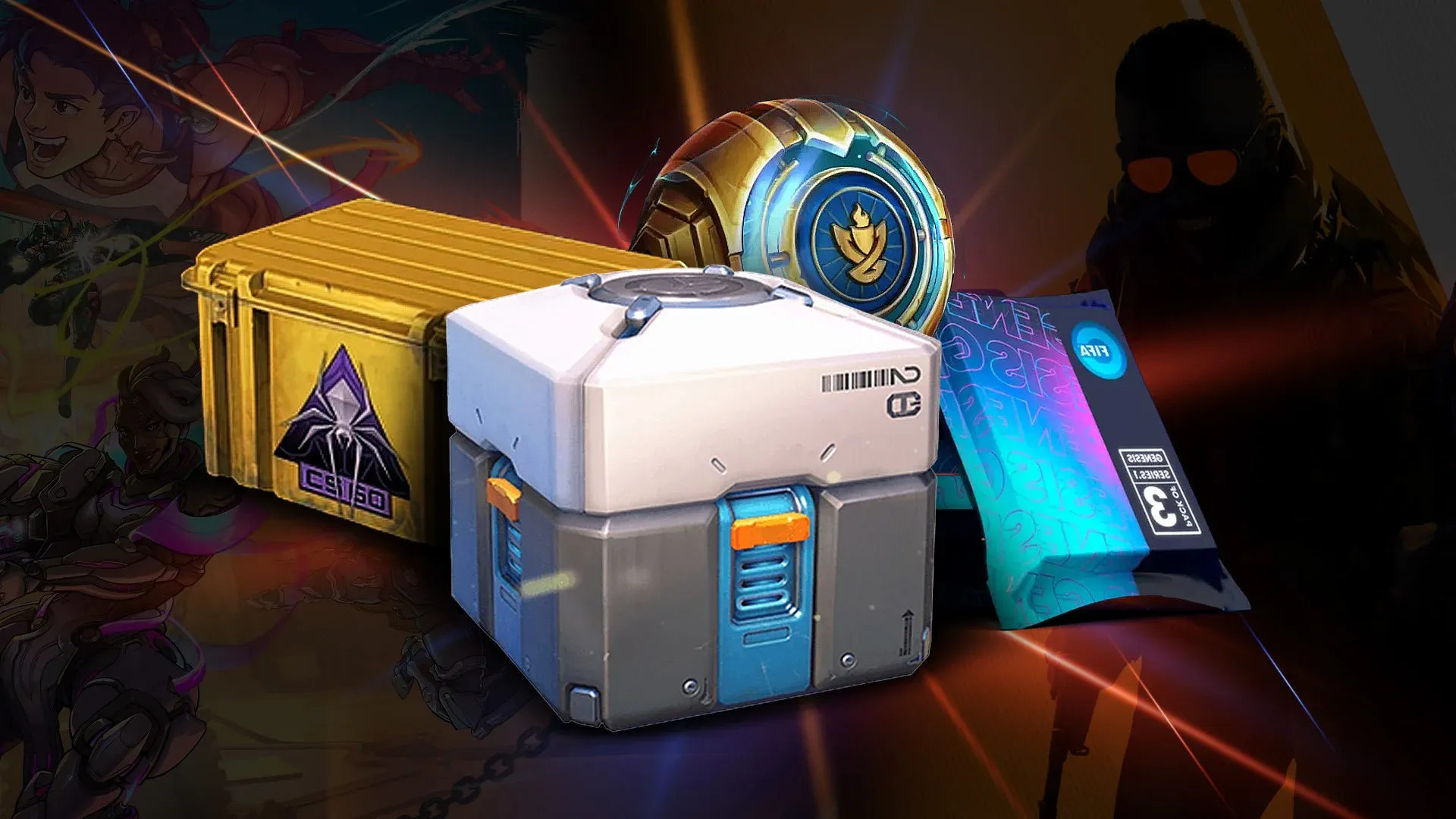
The Federal District Court has ordered companies such as Valve, Sony, Microsoft, Google, Apple, Tencent, Nintendo, Riot Games, Ubisoft, Konami and Electronic Arts to pay R$ 298 million (~55 million USD) in collective moral damages related to the use of loot boxes in games accessed by children and teenagers. The decision also imposes new transparency and protection obligations for minors.
What the Court Decided
The ruling was issued by the 1st Juvenile and Youth Court of the Federal District and responds to a lawsuit filed by the National Association of Child and Adolescent Defense Centers (ANCED). According to the court, loot boxes share characteristics with gambling mechanisms by encouraging repeated purchases based on chance.
The decision also highlights the lack of transparency regarding item drop probabilities and the potential exposure of children and teenagers to practices considered harmful. The amounts must be allocated to the Federal District Child and Adolescent Rights Fund after the ruling becomes final.
Companies and Amounts
The penalties vary according to the size and involvement of each company in the ecosystem analyzed in the lawsuit. Apple, Microsoft and Tencent received the largest individual fines, followed by Google and Sony, while other companies received smaller amounts. Full list:
- Apple — R$ 50 million. (~10 million USD)
- Microsoft — R$ 50 million.
- Tencent — R$ 50 million.
- Google — R$ 40 million. (~8 million USD)
- Sony — R$ 40 million.
- Electronic Arts — R$ 20 million. (~4 million USD)
- Riot Games — R$ 15 million. (~3 million USD)
- Ubisoft — R$ 10 million. (~2 million USD)
- Valve — R$ 10 million.
- Konami — R$ 8 million. (~1,6 million USD)
- Nintendo — R$ 5 million. (~1 million USD)
Another Chapter in the Dispute
The central point of the ruling is the monetization model based on random rewards, which the Court deemed potentially harmful when applied to games accessed by minors. The decision revolves around the concept of “intermittent reinforcement,” a psychological mechanism that can encourage repeated purchases.
In practice, the case increases pressure on platforms to review monetization systems, especially in games with a young audience. The decision also comes at a time when the debate on loot boxes and child protection has regained momentum in Brazil, particularly after the enactment of the Felca Law.
What the Companies Will Have to Do
In addition to the fine, the Court ordered technical compliance measures for the companies involved. These include clear disclosure of probabilities, explicit warnings about the random nature of rewards, more robust age verification mechanisms and refund systems for purchases made by minors.
These requirements point to greater oversight of in-game monetization and could have practical effects on product design and digital stores. For the industry, this means higher regulatory costs and a possible review of models that rely on random microtransactions.

Market Repercussion
The decision adds to recent Brazilian regulations aimed at protecting children and teenagers in the digital environment. The text also mentions moves by companies such as Riot Games and EA to address related requirements, showing that the impact may extend beyond this specific case.
Although the companies can still appeal the ruling, it already sets an important precedent for future discussions on loot boxes, age ratings and platform responsibility. Payments will not be immediate until the ruling becomes final.
What Will Be the Outcome of Another Legal Imbroglio?
For the games industry, the ruling reinforces a clear trend: random monetization is coming under increasing legal and regulatory scrutiny. If upheld by higher courts, the decision could accelerate changes in how free-to-play games and digital services handle minors.
The next step will be to monitor the companies’ appeals and the final ruling. If the fine and technical obligations are upheld, the case could pave the way for individual lawsuits and pressure publishers to redesign loot box systems, increasing regulatory costs and reducing reliance on random microtransactions in games with a young audience.
Don’t forget to follow Strafe Esports to stay up to date with the latest news on your favorite esports and check out our X profile for the latest coverage and content.
Also, stay tuned to the Strafe YouTube channel for exclusive interviews, press conferences and much more.
Featured image credits: Compare Games
Read also:
All Teams Qualified for MSI 2026
IEM Cologne Major 2026: The Only Guide You Need for the Playoffs Pick'Em Challenge
What to Expect from Overwatch Season 3: New Hero, Map, Mythic Skins and More