
 en
en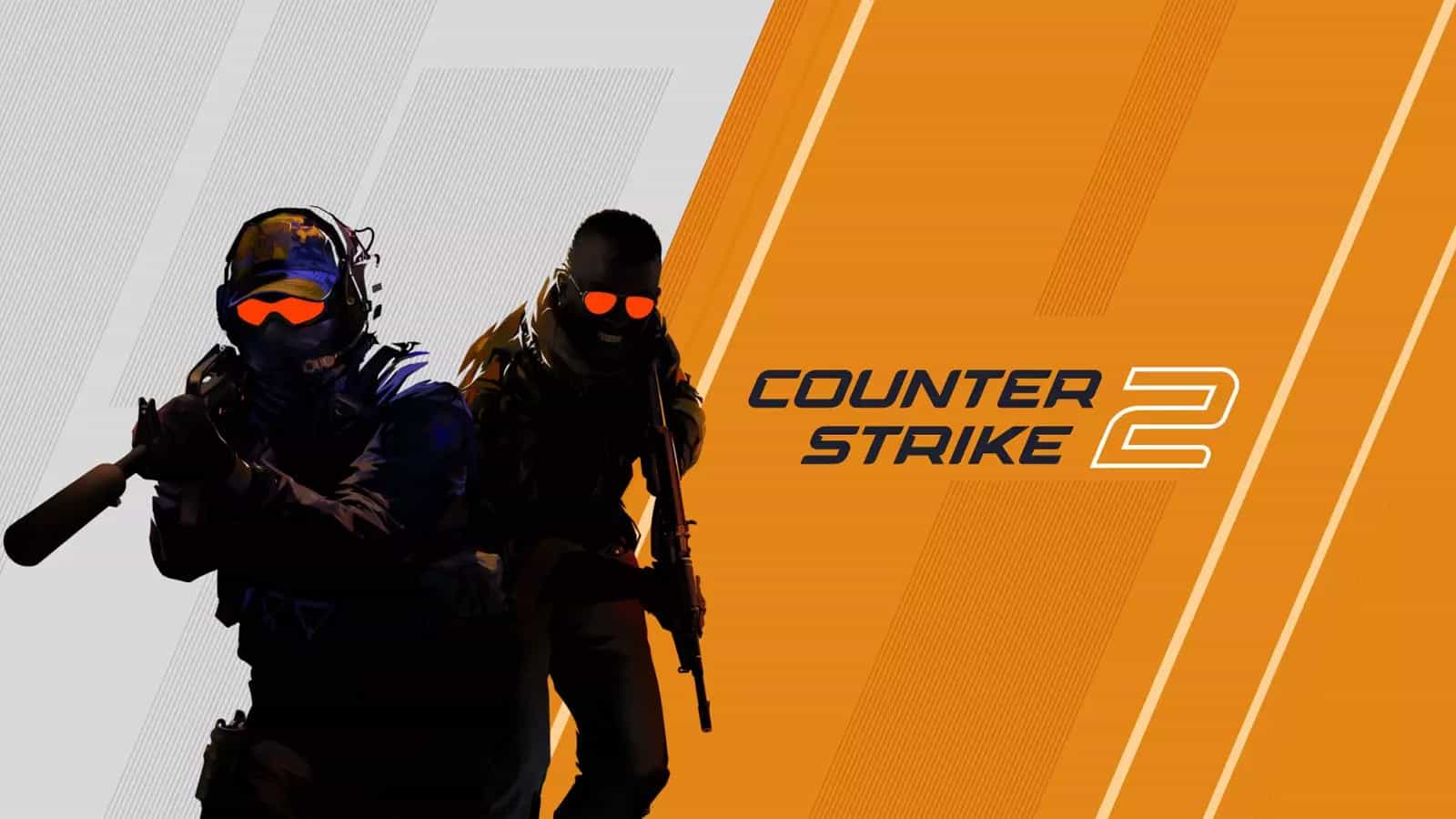
An Unfinished Product: The Disappointing State of Counter-Strike 2
For many, Counter-Strike was their introduction to competitive gaming. The 5v5 tactical shooter that began as a mod of Half-Life has blossomed into a franchise that helped shape the modern esports landscape.
The franchise’s latest offering, Counter-Strike 2, continues to benefit from that legacy. The community remains loyal, generating billions of dollars in revenue for Valve. Yet nearly three years after its release, Counter-Strike 2 still feels unfinished.
While updates have been rolled out, there has been little to no new content. This combined with Valve’s reluctance to communicate about the game’s long-term direction has made for a frustrating player experience.
All of this, however, pales in comparison to the game’s biggest issue: cheating. More than any content drought or communication gap, it strikes the core of Counter-Strike by undermining its competitive integrity.
A Ranked Ladder for Cheaters
Cheating is a ubiquitous problem in competitive games. Even kernel-level anti-cheat systems, the most promising countermeasures available, fail to mitigate every attempt. In Counter-Strike 2, however, the existing anti-cheat measures fail to address the problem in any meaningful way.
In high-ranked Premier and Competitive matches, encountering a cheater has become the norm. The Premier Global Leaderboard, which is meant to showcase the best players in the world, has instead become an advertisement for cheat developers.
While Valve’s decision to develop an anti-cheat system that does not rely on kernel-level access is commendable, it has consistently struggled to keep up with cheat providers. And as a result, the player experience, particularly at higher ranks, has been poor.
The situation is further complicated by the Trust Factor system, which remains invisible to players. Those placed in lower Trust Factor brackets often encounter a disproportionate number of suspicious accounts, exacerbating the frustration.
The issues surrounding Trust Factor and VAC’s are more complex than they seem. Community researcher Matt (@VACdeluxe) has explored these concerns in detail in a recent post on X, highlighting structural weaknesses in the current system.
No one expects perfection from Valve's anti-cheat system. However, when cheating begins to define the public perception of the game, the issue has grown out of hand.
Where are Operations?
A significant part of CS:GO’s annual content cycle was its Operations. These seasonal events introduced new modes, maps, and limited-edition rewards, keeping the community engaged and giving players something to anticipate each year.
While CS2 has yet to receive a traditional Operation, Valve has introduced the Armory system and weekly missions as partial substitutes.
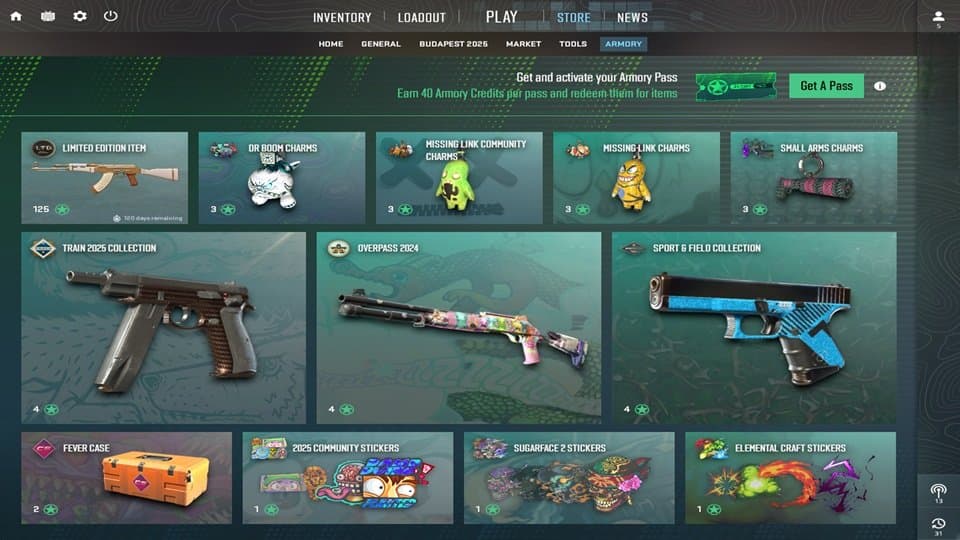
The Armory adopts a star-based redemption structure similar to past Operations, allowing players to exchange stars for specific rewards. However, Armory progression is tied primarily to XP earned through regular gameplay rather than weekly mission completion.
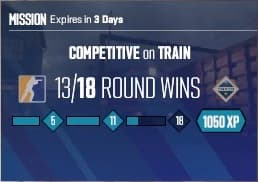
As a result, the missions offer limited incentive beyond their immediate XP reward. Compounding the issue, the missions themselves are banal and recycled every few months. Not to mention, the cosmetic change to the game that arrived with Operations made it feel festive, but with no such change, the current system fails to bring the same anticipation or engagement.
The Content Drought
Operations aside, much of CS:GO’s map pool has already been ported to CS2. However, there is still no information regarding the release of two highly anticipated maps: Cache and Cobblestone. While the acquisition of Cache is a relatively recent development, Cobblestone’s rework had been underway even before the transition to CS2—yet its release remains in limbo.
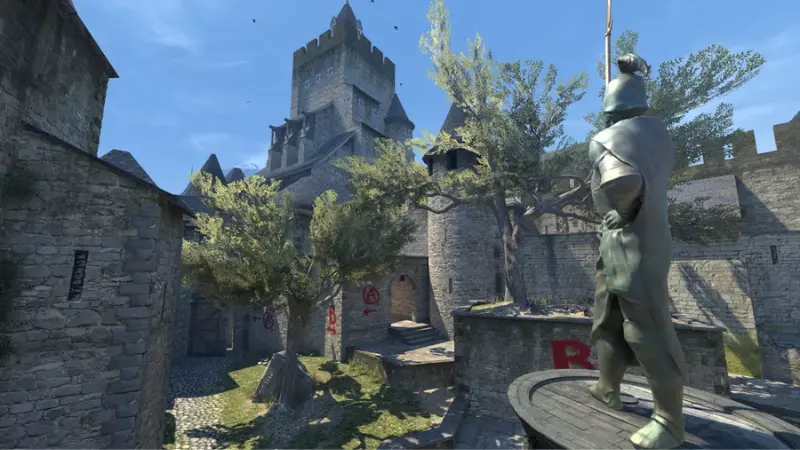
Although community maps are rotated in every four to six months, this is Valve simply choosing maps created by community members instead of introducing CS2 exclusive additions.
A similar situation exists on the game mode front. While several of CS:GO’s most popular modes have been carried over, CS2 still lacks a truly exclusive mode. Multiple modes are not strictly necessary for a competitive shooter to thrive, but CS:GO offered that variety. As its successor, CS2 should at the very least match the breadth of content its predecessor provided.
The importance of these modes becomes even more apparent given the rampant cheating existent within Competitive and Premier. When the flagship modes are undermined, the absence of alternative experiences becomes far more noticeable.
Issues with the Core Gameplay
Though none of the content problems hit as hard as the issues that affect the core gameplay. While developing CS2, Valve chose sub-tick as a way to usher the game into a new era. But, this decision indirectly introduced complications which affected the much-beloved core gameplay of Counter-Strike.
While the decision to choose the sub-tick is theoretically sound, much of it could’ve been achieved by simply switching to 128-tick. This would’ve required significant investment from Valve, but they generated billions from CS2—for example, in 2025 alone, they reportedly made $1.07 billion from key sales alone, excluding revenue from the Armory, transaction fees, and Major souvenirs.
Of course, there is a possibility that sub-tick will completely revolutionize CS2, but it still doesn’t justify the poor experience the community has in the present.
No Visible Road Map or Dev Update
These frustrations with the game are only amplified by Valve’s hands-off approach to communication. Even when a dev note won’t directly address the problems, they still signal a commitment to improving the game and give the community a sliver of hope.
Beyond the problems themselves, Valve rarely communicates about the current state of the game or its future plans. The transition to AnimGraph 2.0, introduced back in July 2025, still hasn’t been completed, nor has a timeframe for its finish been shared.
The same uncertainty surrounds the return of maps like Cache and Cobblestone, the potential for Operations, and whether new maps, modes, or weapons are planned for Counter-Strike 2’s future.
This lack of transparency creates uncertainty within the community, leaving players unsure whether the game they love is actively being worked on.
What is Valve Doing?
Counterarguments can be made against every point raised here. To be fair, Counter-Strike 2 is in a better state today than it was at launch in 2023. But this isn’t Valve’s first Counter-Strike release, and gradual improvement alone shouldn’t be the benchmark.
And while the community did ask for a new Counter-Strike, what they received was an incomplete product that, three years in, can hardly be considered finished.
Many players would be willing to overlook the content drought, the communication gaps, and even the growing pains of sub-tick if Valve simply delivered a more effective anti-cheat system. But when the foundation itself feels unstable, everything else becomes harder to ignore.
For a game that defined two decades of competitive gaming excellence, Valve’s approach to Counter-Strike 2 and its current state has been disappointing.
Don't forget to follow Strafe Esports for the latest news about your favorite esports and to check out our X account for the most recent content and coverage.
Also, stay tuned to the Strafe YouTube channel for exclusive interviews, press conferences, and much more.
Featured Image Credit: Valve
Read More: The Massive Lawsuit Hitting Valve and the Future of Loot Boxes